


Resilient Leadership: Why Pressure Creates Unbreakable Leaders
Discover how resilient leadership is forged through pressure, capacity, and the barbell mindset—and learn how to build unshakeable strength under stress.
Introduction
Resilient leadership isn’t built in strategy meetings or motivational workshops—it’s built under load. Most leaders think resilience is about staying calm, staying positive, or staying busy. But that’s not resilience.
That’s performance acting. The truth is far more uncomfortable: resilient leadership is the capacity to take on more pressure without breaking—and to keep rising even when the weight feels unbearable.
The keyword resilient leadership stands at the center of this conversation because the modern leader isn’t collapsing from lack of skill… they’re collapsing from lack of capacity. You don’t fix that with time hacks. You fix it with training.
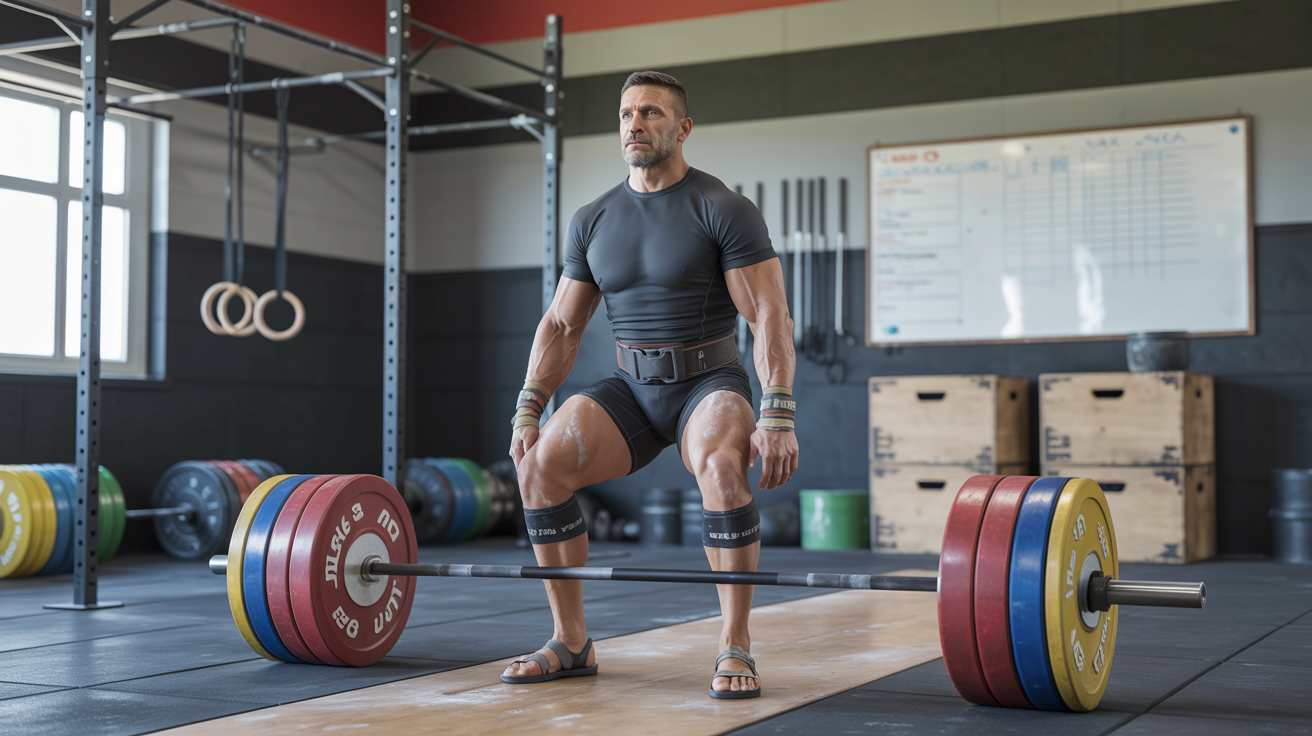
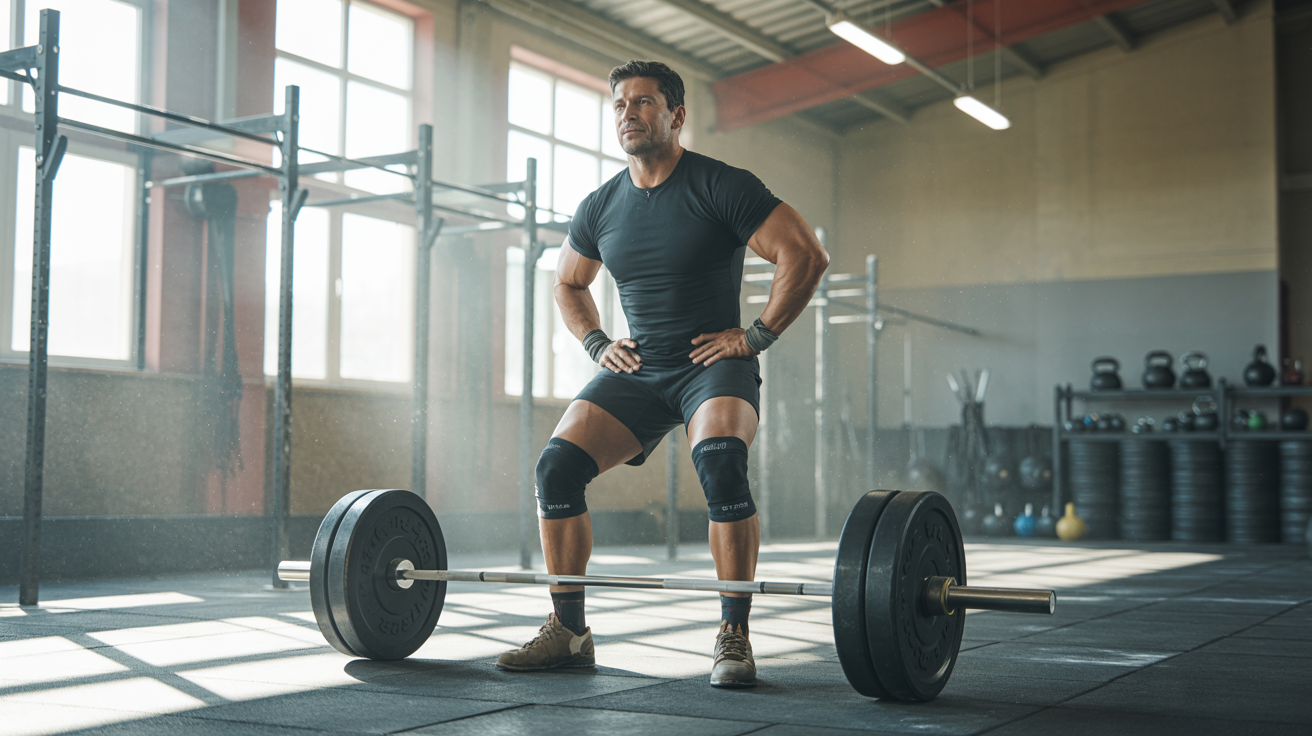
This is where the barbell becomes your greatest teacher. In CrossFit, I learned early that the weight never lies. The barbell tells you exactly who you are under pressure. It exposes weakness, reinforces discipline, and demands growth. Leadership does the same.
Today, you’ll learn how resilient leadership is built the same way strength is built: friction, load, recovery, and progressive challenge. And you’ll learn why leaders who avoid metaphorical weight become fragile while those who train under stress become unstoppable.
Understanding Resilient Leadership
Resilient leadership is the ability to stay centered, decisive, and effective under pressure—even as demands, uncertainty, and responsibility increase. It is the mental toughness for leaders that separates those who fold from those who rise.
The misconception? People assume resilience is a personality trait. Something fixed. Something you’re born with. But pressure doesn’t care about personality. Pressure only cares about capacity.
In the gym, capacity is measured by load: how much weight you can move, how well you can stay composed, and whether you keep form when things get heavy. Leadership works the same way.
Many leaders crumble not because the weight is too much… …but because they never trained for it.
Resilient leadership is trainable. It is measurable. And it grows through deliberate exposure to stress, challenge, and responsibility—just like strength training. The barbell metaphor leadership model teaches us that you grow capacity the same way you grow strength: gradually, intentionally, and with humility.
Resilient leadership skills emerge from adversity, repetition, discipline, and reflection. They aren’t earned by reading leadership books—they’re earned by carrying the load.
Why Resilient Leadership Matters
The world is not slowing down. Expectations aren’t decreasing. Pressure isn’t easing. Your people, teams, and family don’t need a leader who is simply informed—they need a leader who can remain grounded when the room is shaking.
CrossFit taught me that strength is never about the first reps. It’s about the last ones—the ones completed when your mind is screaming for relief. Those reps build the ability to perform under fatigue. In leadership, the equivalent reps come when:
💠 You’re tired but must stay clear.
💠 You’re overwhelmed but must still decide.
💠 You’re uncertain but must still lead.
This is why resilient leadership training becomes essential. When leaders lack resilience, everything downstream suffers—culture, morale, communication, execution, and results.
You can’t give clarity if you don’t have inner stability. You can’t drive performance if you’re emotionally depleted. You can’t inspire trust when you’re constantly reactive.
High-performance leadership habits aren’t built in moments of ease—they’re built under stress. And if you’re not deliberately building your resilience muscles, the weight of leadership will eventually break you.
Common Challenges and Limiting Beliefs
Every leader struggles with the same three traps:
“If I just get through this week, it will get easier.”
This is the business version of hoping the weight magically gets lighter. It doesn’t. The load always increases—sometimes gradually, sometimes overnight.
“Resilience means doing it alone.”
This is outdated warrior mythology. In strength training, no one grows without coaching, programming, accountability, and a system that pushes them just beyond their comfort zone.
“I need to avoid stress.”
Avoiding stress is the fastest way to shrink capacity. Overprotection weakens the system. Stress doesn’t destroy leaders—poor recovery and lack of training does.
Resilient leadership isn’t about dodging pressure. It’s about expanding who you become in the presence of it.
Step-by-Step Implementation Guide
Here’s how to build resilient leadership using the principles of the barbell metaphor leadership model:
Step 1: Load Before You’re Ready
In CrossFit, if you only lift when it’s comfortable, you’ll stay weak. The same is true in leadership. Begin deliberately taking on responsibilities, conversations, and decisions that stretch your emotional and mental capacity, expanding your tolerance for uncertainty and increasing your ability to stay composed under pressure.
Step 2: Train with Intent
Resilient leadership training requires conscious practice—structured reflection, emotional regulation techniques, nervous system resets, and pressure management rituals—all performed consistently to reinforce mastery and build a dependable foundation for responding to real-world challenges confidently.
Step 3: Embrace Micro-Adversity
Just as strength grows through controlled stress, resilience grows through micro-adversity—cold exposure, tough conversations, difficult workouts, disciplined routines, and intentional friction designed to strengthen your capacity for discomfort and sharpen your psychological edge.
Step 4: Recover Like a Professional
Recovery isn’t optional—it’s strategic. Leaders who fail to schedule recovery confuse burnout for weakness. Proper recovery replenishes energy, restores clarity, reinforces emotional balance, and ensures you can consistently show up with strength when pressure inevitably increases.
Step 5: Build a Coaching Environment
Even elite athletes need coaches. Leaders who avoid coaching plateau quickly. Coaching accelerates growth by calibrating load, challenge, and perspective, helping you identify blind spots, strengthen performance habits, and stay aligned with high-level leadership standards.
This is how you build mental toughness for leaders—reps, reflection, and regulated stress.
Real-Life Success Stories
I’ve watched executives transform their leadership capacity the same way athletes transform under the bar.
One client came in exhausted, overwhelmed, and convinced he was failing. We rebuilt his leadership habits the same way we’d rebuild a lifting program—load management, mental conditioning, energy protocols, emotional hygiene, and progressive challenge.
Six months later, he was leading with decisiveness, clarity, and unshakable presence. His team noticed it. His family felt it. His results proved it.
Resilient leadership is visible. You don’t have to announce it. People feel it.
Podcast: Play in new window | Download (23.0MB)
Subscribe: RSS
Mistakes to Avoid
💠 Trying to lift everything alone – isolation kills resilience, drains emotional capacity, limits perspective, and slowly erodes your ability to lead with clarity and grounded strength.
💠 Avoiding conflict – conflict is pressure; pressure is training, and sidestepping it prevents growth, weakens influence, reinforces fear-driven behavior, and ultimately diminishes leadership credibility.
💠 Overworking – fatigue without recovery is collapse, and grinding nonstop destroys focus, reduces creativity, impairs decision-making, and trains your nervous system to operate in permanent survival mode.
💠 Being reactive – reactions kill precision and signal instability, creating unnecessary chaos, damaging trust, and undermining the reliability your team depends on during high-pressure moments.
💠 Ignoring feedback – leaders blind to feedback lose their edge, miss critical growth opportunities, repeat avoidable mistakes, disconnect from their people, and gradually fall behind more adaptive competitors.
Avoid these mistakes and your capacity will skyrocket.
Advanced Strategies for Mastery
If you want elite-level resilient leadership, adopt the following practices:
💠 Contrast training: move between high-pressure and calm states intentionally to strengthen adaptability, sharpen cognitive control, and train your nervous system to handle rapid transitions without losing clarity, presence, or emotional stability.
💠 Identity conditioning: see yourself as a resilient leader first—actions follow identity, and reinforcing this self-concept through daily behaviors, rituals, and decisions helps you embody strength even when external circumstances attempt to knock you off center.
💠 Load calibration: weekly reviews of your responsibilities, energy, and emotional weight ensure you’re managing demands intelligently, preventing overload, redistributing pressure effectively, and staying ahead of burnout before it sneaks up and compromises your leadership effectiveness.
💠 Archetype integration: balance Warrior discipline, King vision, Magician strategy, and Lover emotional intelligence by consciously activating each archetype, aligning your behavior with your highest potential, and ensuring no single aspect of your leadership becomes overextended or underdeveloped.
This is where resilient leadership becomes a lifestyle, not a skill.
Call to Action
If you skimmed this, go back. Skimming is fragile behavior. Resilient leadership requires presence, pressure, and precision.
If this resonated, it’s because you know the truth: the barbell doesn’t lie—and neither does your life. You’re either growing capacity or losing it.
If you’re ready to train your resilience like an athlete trains for competition—if you’re ready to build the leadership strength your team, your family, and your future demand—then it’s time to step up.
Sharpen your edge. Elevate your capacity. Book your Power Strategy Session and let’s forge your next level.
Q&A Section
What is resilient leadership?
Resilient leadership is the ability to stay composed, decisive, and effective under pressure while navigating complexity and stress. It matters because modern leaders face relentless demands, and without resilience, performance collapses. Imagine trying to lift a heavy barbell without proper training—the weight crushes you. Leadership works the same way.
How can I develop resilient leadership skills?
By treating resilience like strength training: progressive challenge, intentional stress exposure, structured reflection, emotional regulation, and mentorship. Leaders who integrate these practices rapidly expand capacity and confidence.
Why do leaders struggle with resilience?
Because most avoid discomfort. Resilience requires deliberate exposure to challenge. When leaders avoid conflict, stress, or hard decisions, they weaken their capacity over time.
What is the role of coaching in resilient leadership?
Coaching acts like a training program—it provides structure, pressure calibration, feedback, and accountability. Without coaching, leaders plateau. With coaching, they grow faster and sustain results.
How does the barbell metaphor apply to leadership under stress?
The barbell teaches that strength comes from controlled pressure, repetition, and recovery. Leadership mirrors this exactly. You build capacity by showing up, doing the reps, and leaning into the weight instead of avoiding it.
