


King Archetype: From Wounded Boy to Integrated Leader
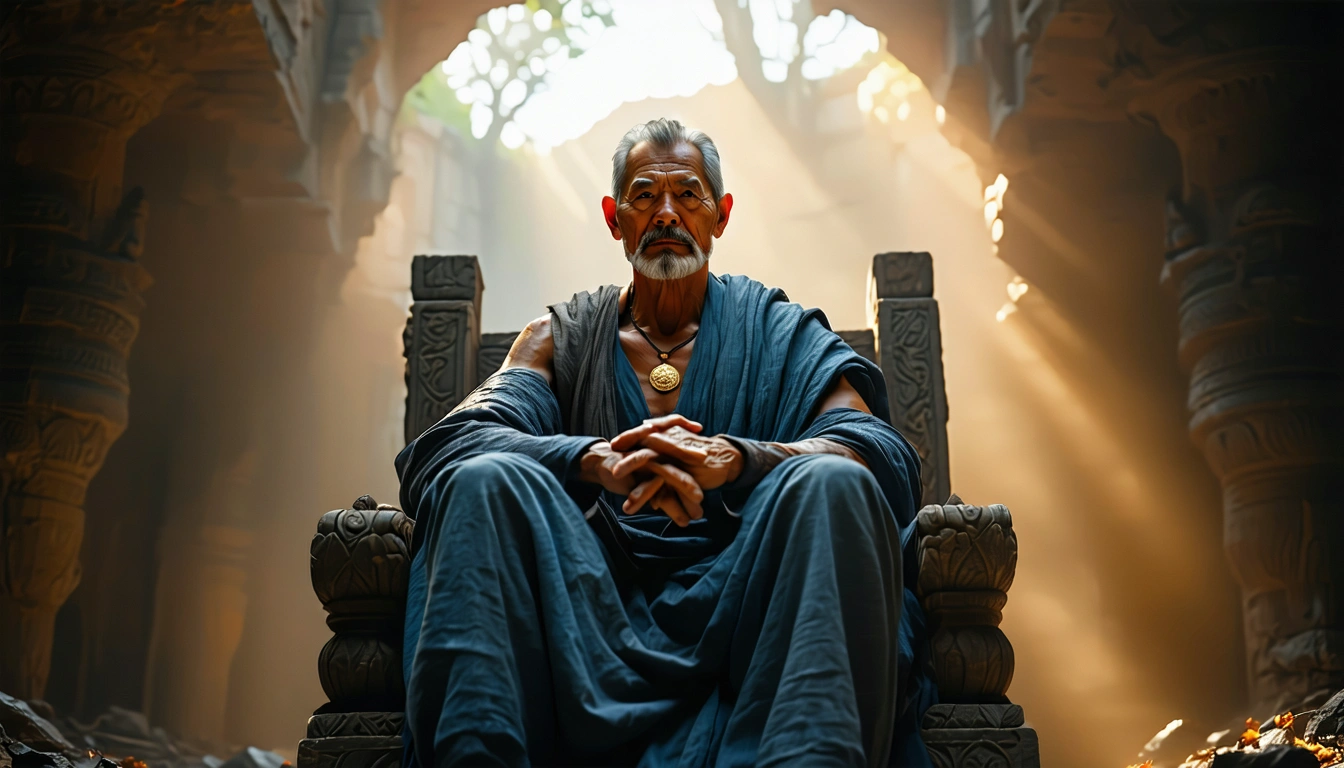
Explore the concept of mature masculinity and how men move from the Boy King and Wounded King into calm authority, internal order, and conscious leadership.
The Concept and the Crisis of Modern Masculine Authority
This represents the organizing principle of mature masculinity. It is not about dominance, charisma, or external power. At its core, it is about internal authority, emotional containment, and the ability to create order without force.
When this aspect is healthy, a man becomes steady, principled, and trustworthy. When it is underdeveloped or wounded, chaos follows—internally first, then externally.
Many men between 35 and 55 find themselves facing a quiet but persistent erosion of authority. Not authority over others, but authority over their own energy, emotions, direction, and decisions.
Life may look successful on the surface, yet something feels disordered underneath. This is often not a motivation problem or a discipline issue. It is a mature masculinity issue.
This aspect governs vision, boundaries, blessing, and stewardship. Without it, other aspects lose coherence. Strength becomes aggression. Intelligence becomes manipulation. Sensitivity becomes indulgence. The work of conscious masculinity begins by restoring this.
Understanding this Concept as an Identity Structure
This is not a personality trait. It is an identity structure that shapes how a man relates to himself, his emotions, his responsibilities, and the world around him. A mature individual does not chase validation or prove worth. He defines standards and lives by them.
At its highest expression, the king archetype provides:
✔️Internal order that calms the nervous system
✔️Emotional containment without suppression
✔️Clear boundaries rooted in values
✔️The ability to bless rather than dominate
✔️Long-term vision rather than reactive urgency
When this archetype is absent or distorted, men often compensate with overwork, control, avoidance, or perpetual striving. These behaviors look productive but are internally unstable. The king archetype does not push harder. It stabilizes first.
The Developmental Path of the King Archetype
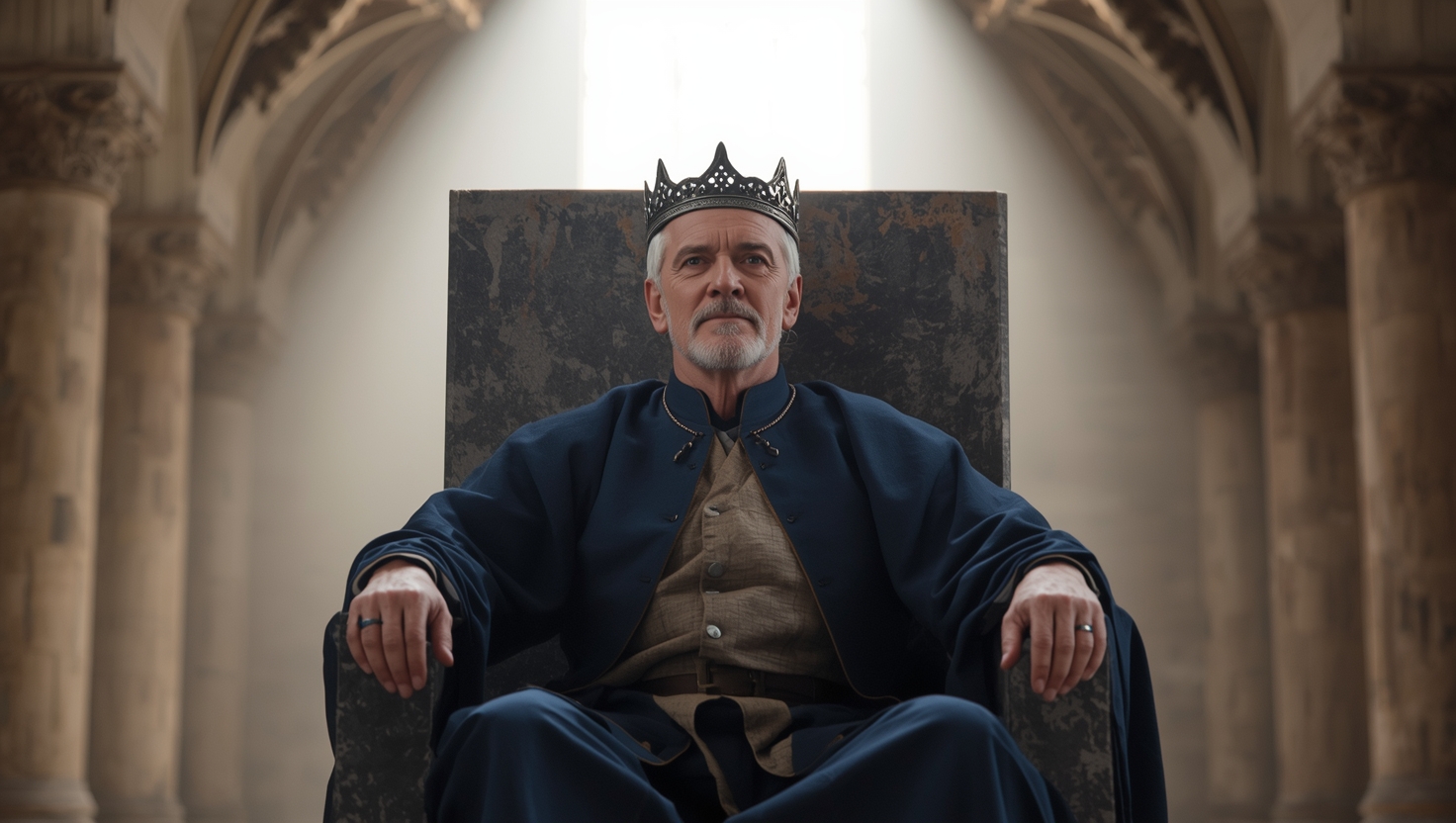
The king archetype does not arrive fully formed. It develops through stages, each with its own risks and lessons. Understanding this spectrum helps men recognize where they are stuck and what must be integrated.
The Boy King: Power Without Containment
The Boy King represents uninitiated authority. This is power without emotional maturity, vision without wisdom, and ambition without grounding. The Boy King may appear confident, driven, and decisive, but his authority is brittle.
Common patterns of the Boy King include:
✔️Needing approval to feel legitimate
✔️Overreacting to perceived disrespect
✔️Making decisions based on ego rather than values
✔️Seeking status instead of stewardship
The Boy King does not lack intelligence or drive. He lacks containment. Without guidance and inner structure, his rule becomes unstable. Many men unknowingly operate from this stage well into midlife, wondering why their efforts never produce lasting peace.
The Wounded King: Tyrant and Abdicator
When the Boy King is challenged by life and lacks the internal resources to integrate those challenges, the king archetype fractures. This produces the Wounded King, which tends to manifest in two primary forms.
The Tyrant King rules through control. He tightens boundaries into walls, mistakes fear for authority, and uses force to manage internal insecurity. Emotionally, he is reactive and rigid. Relationally, he creates compliance but not trust.
The Abdicated King retreats. He avoids responsibility, numbs discomfort, and disengages from leadership altogether. Decisions are delayed. Boundaries dissolve. Chaos fills the vacuum where authority once belonged.
Both expressions are rooted in the same wound: the inability to self-regulate and self-authorize. The king archetype is present, but distorted by unresolved fear and fatigue.
The Integrated King: Calm Authority and Inner Order
The Integrated King is not loud. He does not dominate rooms or demand attention. His presence organizes the environment naturally. Others feel calmer, clearer, and more grounded around him.
This stage of the king archetype is defined by:
✔️Emotional regulation without repression
✔️Clear boundaries that protect energy and values
✔️Decisiveness without urgency
✔️The ability to bless growth in others
✔️A long-term view rooted in legacy rather than ego
The Integrated King does not need to prove authority because it is embodied. His power comes from alignment, not performance.
Why the King Archetype Must Come First
In conscious masculine development, this aspect precedes all others. Without it, the Warrior burns out, the Magician manipulates, and the Lover loses direction. It provides the internal throne from which the other energies can operate cleanly.
Men often attempt to fix their lives by adding tools, habits, or discipline. These strategies fail when there is no internal authority governing their use. The king archetype is the structure that ensures effort serves purpose rather than exhaustion.
When a man integrates the king archetype, his nervous system settles. Decision-making simplifies. Emotional reactivity decreases. Life feels governed rather than chaotic.
Podcast: Play in new window | Download (27.0MB)
Subscribe: RSS
The King Archetype and the Conscious Warrior Path
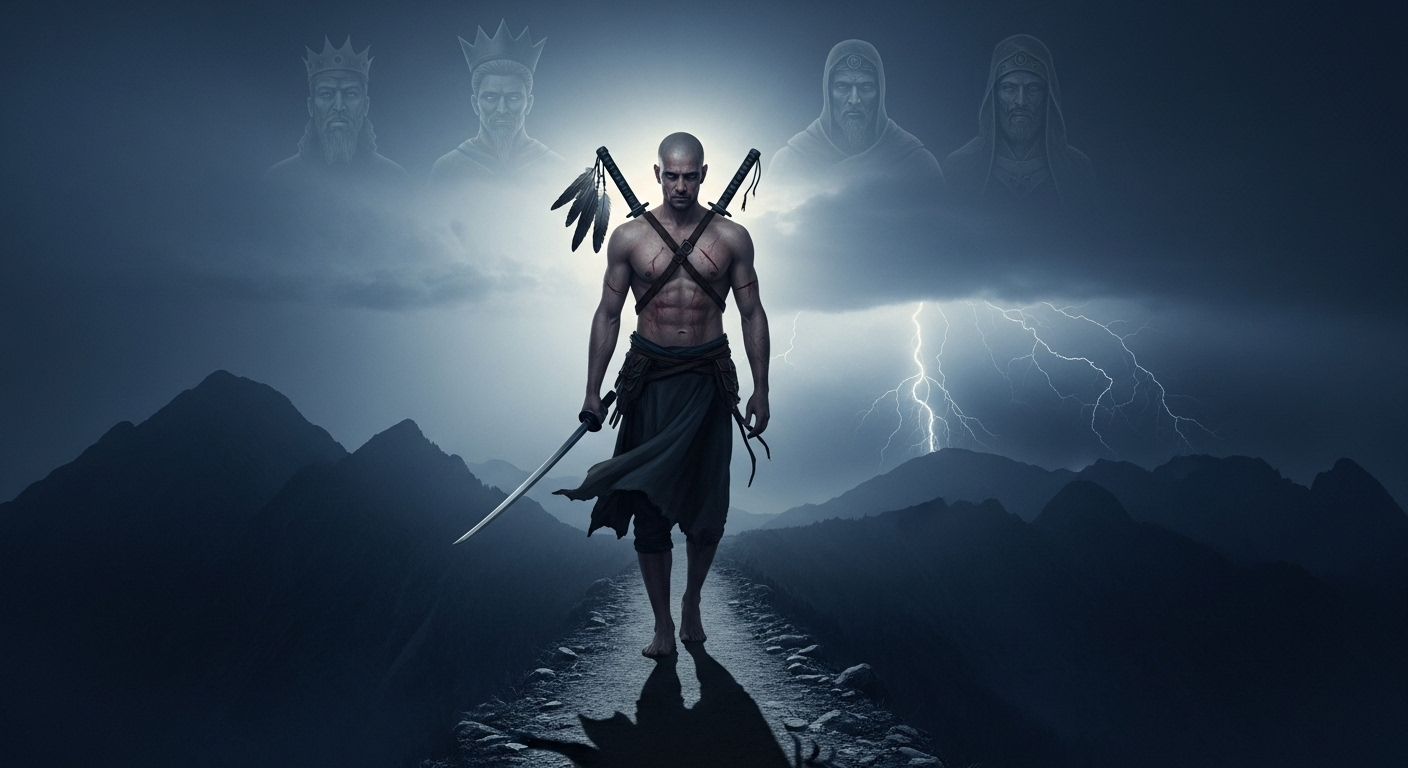
Within the Conscious Warrior framework, the king archetype represents alignment. It is the internal axis that brings physical discipline, mental clarity, emotional regulation, and spiritual meaning into coherence.
A conscious king does not escape discomfort. He contains it. He does not suppress emotion. He governs it. He does not outsource authority to circumstances, people, or outcomes. He leads himself first.
This is the difference between coping and ruling.
The King Archetype and the Nervous System
At a biological level, this aspect expresses itself through regulation. A regulated nervous system is the physiological foundation of calm authority. When a man is internally regulated, his presence naturally stabilizes others. When he is dysregulated, authority collapses into control, withdrawal, or chaos.
Many expressions of the wounded king archetype are not moral failures but nervous system failures. Chronic stress, unresolved emotional load, and constant reactivity push men into survival states.
From there, the Tyrant King emerges through fight responses, while the Abdicated King emerges through freeze or collapse. Neither state allows access to mature authority.
The Integrated King operates from regulation. Breath slows. Perspective widens. Decisions are made without urgency. Emotional energy is contained rather than leaked. This is why true authority feels calm rather than forceful. The nervous system sets the tone before any words are spoken.
Restoring the king archetype therefore requires practices that support regulation: pauses instead of pressure, containment instead of discharge, and recovery instead of constant output. Authority begins in the body before it ever reaches behavior.
The King Archetype in Relationships and Family Systems
In relationships and family systems, the king archetype functions as a stabilizing presence. This does not mean emotional distance or dominance. It means emotional safety. When the king archetype is integrated, others feel held rather than managed.
A wounded king archetype often creates instability at home. The Tyrant King produces tension through control and rigidity. The Abdicated King produces insecurity through absence and inconsistency. In both cases, emotional safety erodes because authority is either overwhelming or missing.
The Integrated King brings coherence. Boundaries are clear without being harsh. Decisions are made without emotional volatility. Conflict is addressed without escalation. Over time, trust builds because the environment feels predictable and grounded.
For men in midlife, relational strain is often a signal that this aspect needs attention. Repairing authority at home does not start with communication techniques. It starts with restoring internal order so presence becomes trustworthy again.
The King Archetype and Legacy Thinking
This aspect is oriented toward legacy rather than immediacy. Where wounded expressions chase control or comfort, the Integrated version thinks in timelines. Decisions are evaluated not only for short-term relief but for long-term consequence.
Legacy thinking shifts behavior. Time is treated as sacred. Energy is stewarded rather than spent. Priorities align with values instead of urgency. This is why the king archetype often awakens during midlife. The question quietly emerges: what am I building, and what will remain?
A man aligned with the king archetype lives as if his actions matter beyond the moment. This does not require fame or recognition. It requires integrity. The Integrated King understands that legacy is not what is left behind, but what is lived consistently.
When legacy becomes the lens, chaos loses its grip. Life organizes itself around meaning rather than momentum.
Within the Conscious Warrior framework, the king archetype represents alignment. It is the internal axis that brings physical discipline, mental clarity, emotional regulation, and spiritual meaning into coherence.
A conscious king does not escape discomfort. He contains it. He does not suppress emotion. He governs it. He does not outsource authority to circumstances, people, or outcomes. He leads himself first.
This is the difference between coping and ruling.
Common Signs the King Archetype Is Underdeveloped
Men rarely identify this issue directly. Instead, it shows up through patterns such as:
✔️Chronic mental fatigue despite competence
✔️Difficulty setting or maintaining boundaries
✔️Over-identification with productivity
✔️Emotional withdrawal or volatility
✔️A sense of being busy but misaligned
These are not failures of willpower. They are signals that this aspect needs attention and integration.
Reclaiming the King Archetype
Reclaiming this aspect is not about adopting dominance or authority over others. It is about restoring internal order. This work requires reflection, containment practices, and identity-level recalibration.
Men who step into the Integrated King experience a shift from effort to embodiment. They stop managing chaos and begin governing their lives.
This is not a quick fix. It is a developmental return to rightful authority.
Frequently Asked Questions About the King Archetype
What is the king archetype in men?
The king archetype is the psychological pattern responsible for internal authority, order, and stewardship. It governs emotional containment, decision-making, boundaries, and long-term vision. When healthy, it creates calm leadership; when wounded, it produces control or disengagement. This archetype is foundational to mature masculinity and conscious self-leadership.
How do I know if my king archetype is wounded?
A wounded king archetype often shows up as chronic fatigue, emotional reactivity, boundary issues, or a sense of internal chaos despite external success. Men may swing between overcontrol and avoidance. These patterns indicate that authority is being forced or abandoned rather than embodied.
Can the king archetype be developed later in life?
Yes. The king archetype is developmental, not age-dependent. Many men do not integrate it until midlife challenges force reflection. With intentional inner work, emotional regulation, and identity restructuring, the king archetype can be stabilized and embodied at any stage.
How does coaching help with integrating the king archetype?
Coaching provides structured containment and perspective that mirrors the king archetype itself. Through coaching, men learn to self-regulate, clarify values, set boundaries, and reclaim internal authority. Rather than giving advice, effective coaching helps men restore their own capacity to govern their lives consciously.
Why is the king archetype important for modern men?
Modern life fragments authority through constant demands, distractions, and external pressures. The king archetype restores internal order, allowing men to respond rather than react. It creates stability in relationships, clarity in purpose, and resilience under pressure, making it essential for conscious masculine development.
Final Reflection
The king archetype is not about ruling others. It is about ruling oneself with clarity, steadiness, and integrity. When this archetype is integrated, life stops feeling reactive and starts feeling governed.
Understanding the King Archetype is essential to navigate the complexities of modern masculinity and to develop a healthy sense of self-leadership.
If you are ready to restore internal authority and step into conscious leadership, begin with the foundation.
The path forward starts with the King Archetype.
Explore the Conscious Warrior Code to begin integrating the King Archetype and reclaiming calm, grounded authority.
