


Anxiety in Men: How Mental Chaos Breaks Focu
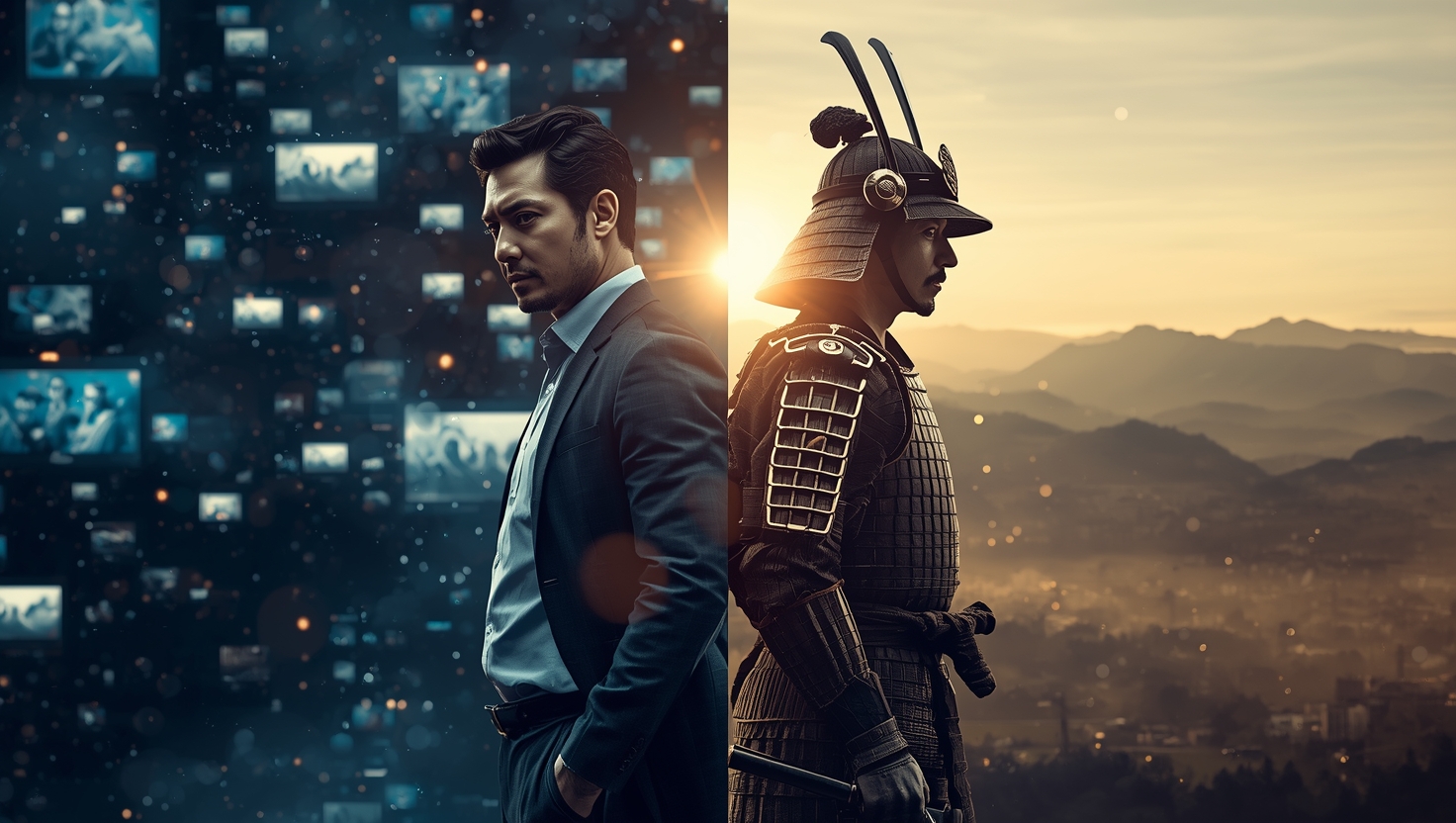
Anxiety in men often shows up as mental chaos. Discover how Seishin Chōwa restores clarity, calm, and inner command.
The Issue With Anxiety in Men
Anxiety in men rarely announces itself the way people expect. It doesn’t always look like panic attacks or visible fear. More often, it shows up as mental chaos—relentless overthinking, inner noise, irritability, distraction, and a sense that your mind won’t stay still long enough to finish what you start.
You’re functioning. You’re producing. You’re handling responsibilities.
But inside, everything feels fragmented.
This is not weakness. It’s misalignment.
Centuries ago, samurai faced a similar problem under far greater stakes. Their answer was not calmness, suppression, or positive thinking. It was a disciplined mental state called Seishin Chōwa—mental harmony under pressure. Not peace. Alignment.
This article explores anxiety in men through that lens.
Why Anxiety in Men Rarely Looks Like Anxiety
Men are conditioned to manage, contain, and perform. When anxiety arises, it often gets rerouted into productivity, control, or withdrawal instead of being acknowledged directly.
That’s why anxiety in men frequently appears as:
▪️Difficulty focusing on one task at a time as attention constantly fragments, jumps ahead, and struggles to remain anchored long enough
▪️Constant internal pressure to “keep it together,” masking stress behind composure, control, and the fear of appearing weak or unreliable
▪️A sense of being mentally behind, even when successful, productive, and externally validated by career progress or performance
The nervous system stays activated, but the signal gets misinterpreted. Rather than feeling fear, the mind becomes noisy. Thoughts multiply. Attention fractures. Decision-making slows.
This is mental chaos—and it’s the real problem most men are dealing with.
Mental Chaos: The Real Enemy
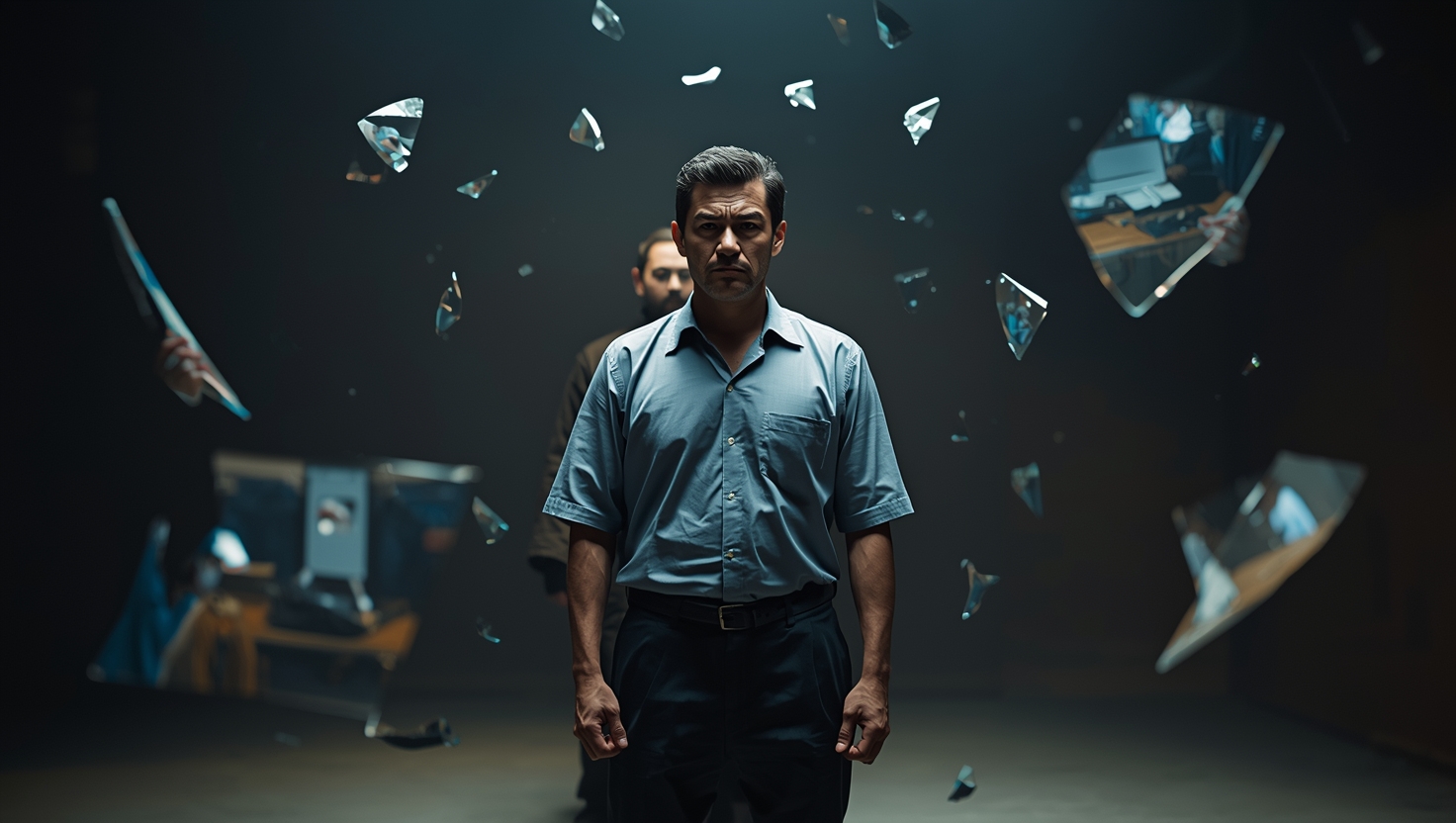
Mental chaos is not the presence of thoughts. It’s the inability to stay oriented when thoughts arise.
In the modern world, men are exposed to:
▪️Constant performance evaluation where worth, competence, and identity feel continuously measured, judged, and compared against shifting external standards
▪️Little space for cognitive recovery, leaving the mind without silence, stillness, or downtime needed to reset and integrate experiences
The mind never settles because it’s never trained to.
During a CrossFit competition years ago, this became painfully clear. The physical preparation was there. The conditioning was solid. But under pressure—multiple events, noise, expectations—the real challenge wasn’t physical fatigue. It was mental fragmentation. Attention jumping ahead. Overthinking strategy. Losing rhythm.
Strength wasn’t the issue.
Mental harmony was.
That same dynamic plays out in work, leadership, and relationships every day.
Seishin Chōwa: Mental Harmony Under Pressure
Seishin Chōwa (精神調和) translates loosely as harmony of spirit. More accurately, it means mental adjustment toward balance—a disciplined inner orientation that keeps perception, attention, and action aligned under pressure rather than scattered by stress.
Samurai did not train to eliminate fear or silence thought. They trained to remain aligned while thoughts, emotions, and external chaos moved around them, without surrendering clarity or internal authority.
A chaotic mind was considered a defeated mind—not because it felt fear, but because it lost internal command, timing, and decisiveness when those qualities mattered most.
Seishin Chōwa was the discipline that prevented that loss by restoring order before action occurred.
The Four Pillars of Seishin Chōwa
Breath as Anchor
Breath was used to regulate the nervous system and ground attention in the body. Slow, controlled breathing kept the mind from spiraling forward into imagined outcomes, stabilizing perception and preventing emotional escalation before it hijacked decision-making.
Focus as Weapon
Single-point focus—Ichinen—trained the mind to stay with one action, one decision, one moment. Fragmented attention was seen as dangerous because it weakened timing, precision, and the ability to act decisively under pressure.
Pause as Power
Ma, the pause before action, created space between stimulus and response. This pause restored choice by interrupting impulse, allowing clarity to return before commitment or reaction occurred.
Emotions as Teachers
Emotions were not suppressed. They were observed, ordered, and used as information rather than commands, signaling alignment issues without being allowed to dictate behavior or judgment.
Together, these pillars created mental harmony—not calm, but clarity under pressure that allowed action without inner fragmentation.
What Neuroscience Confirms the Samurai Already Knew
Modern neuroscience validates these practices by showing how the brain continually adapts to where attention is placed, especially under conditions of stress, pressure, and repeated cognitive demand.
▪️Attention reshapes neural pathways through neuroplasticity, reinforcing whatever the mind repeatedly focuses on, strengthening habits of clarity or chaos over time, particularly during high-pressure or emotionally charged situations
▪️Observing emotions decreases their intensity and duration by creating psychological distance, reducing reactivity, and restoring conscious choice when stress would otherwise drive impulsive behavior
Anxiety in men is often less about emotional instability and more about nervous system dysregulation combined with untrained attention, constant stimulation, and a lack of deliberate mental recovery.
When the mind is trained to anchor, focus, pause, and observe, mental chaos loses its grip and internal command begins to return.
From Mental Chaos to Inner Command
Men who develop mental harmony report:
▪️Improved focus and decision-making as mental noise quiets, priorities clarify, and actions align with deliberate intent under pressure, allowing men to respond strategically instead of reactively when demands increase and consequences matter most
▪️Greater presence in relationships through attentive listening, emotional availability, and reduced reactivity during moments of stress or conflict, creating trust, emotional safety, and deeper connection rather than withdrawal or defensiveness
▪️A sense of internal authority rather than constant pressure, marked by self-trust, steadiness, and confidence in one’s responses, even when uncertainty, criticism, or unexpected challenges arise
The goal is not to eliminate anxiety.
The goal is to meet it without losing alignment.
The Cost of Ignoring Mental Chaos
Left unaddressed, mental chaos leads to:
▪️Emotional numbness, where feelings flatten over time, motivation dulls, and life loses emotional contrast or depth, leaving men disconnected from joy, intimacy, and any real sense of aliveness
▪️Identity erosion, as roles replace values and men slowly lose connection to who they are beneath performance, eventually confusing productivity with purpose and exhaustion with worth
▪️Chronic dissatisfaction without a clear cause, creating persistent restlessness, frustration, and a sense that something essential is missing, even when success, status, or comfort are present
Anxiety in men does not resolve itself through grit alone. Without structure, it compounds—quietly, relentlessly—until the cost shows up in health, relationships, and a life that feels increasingly hollow.
Frequently Asked Questions
What causes anxiety in men?
Anxiety in men is commonly driven by chronic nervous system activation, identity pressure tied to performance, and constant cognitive stimulation. Rather than expressing fear outwardly, many men internalize stress, which manifests as mental chaos, irritability, or emotional shutdown. Over time, this creates a loop where the mind stays alert without resolution, reinforcing anxiety symptoms.
Why does anxiety feel like mental chaos instead of fear?
Men are often conditioned to suppress overt fear responses. As a result, anxiety bypasses emotional expression and shows up cognitively as racing thoughts, distraction, and inner noise. This mental chaos is the mind attempting to regain control without adequate regulation or structure.
How can men calm anxiety without medication?
Men can reduce anxiety by regulating the nervous system through breathwork, training focused attention, creating intentional pauses, and restructuring their relationship to thoughts and emotions. These methods don’t suppress anxiety—they restore internal alignment, which reduces its intensity and duration.
What is Seishin Chōwa?
Seishin Chōwa is a samurai discipline focused on maintaining mental harmony under pressure. Rather than seeking calm, it trains alignment—allowing thoughts, emotions, and stressors to arise without disrupting focus or decision-making. It is a practical system for internal stability.
Why is coaching important when dealing with anxiety in men?
Anxiety in men is often normalized or ignored until it becomes disruptive. Coaching provides structured reflection, accountability, and tools that most men were never taught. A skilled coach helps translate internal chaos into actionable training, restoring clarity and self-command without pathologizing the experience.
The Path Forward
Mental chaos is not a personal failure. It is a training signal.
The samurai understood that the greatest battle was not external—it was internal alignment under pressure.
If you recognize yourself in this pattern, the next step is not force. It’s structure.
Begin with the Blueprint for Men
A grounded starting point for men experiencing stress, burnout, and mental overload—designed to restore clarity, energy, and direction without fluff. Get your report HERE.
