


Practicing Emotional Intelligence for Success
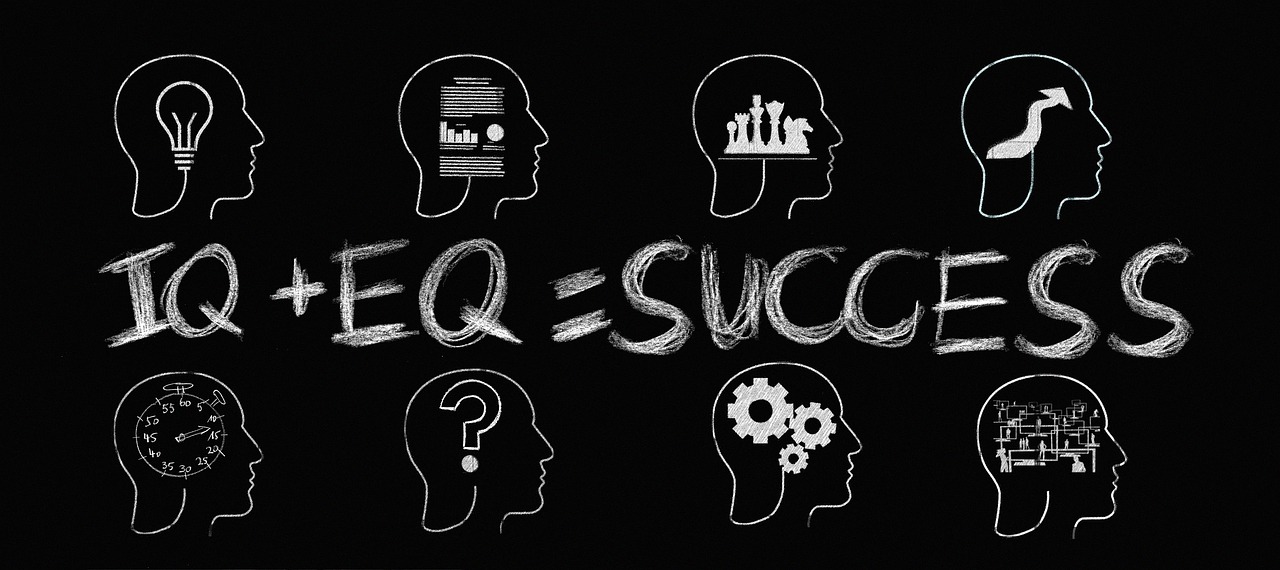
Understanding Emotional Intelligence
Emotional Intelligence (EI) refers to the ability to perceive, control, and evaluate emotions. Developed in the 1990s by psychologists Peter Salovey and John D. Mayer, and popularized by Daniel Goleman in his 1995 book, EI has become a crucial part of personal development and professional success.
The Five Components of Emotional Intelligence
- Self-Awareness: Recognizing one’s own emotions and their impact on thoughts and behavior.
- Self-Regulation: Controlling or redirecting disruptive emotions and adapting to changing circumstances.
- Motivation: Being driven to achieve for the sake of achievement.
- Empathy: Understanding the emotions of others.
- Social Skills: Managing relationships and building networks.
Practicing Emotional Intelligence
Developing Self-Awareness
- Reflect Regularly: Take time each day to reflect on your feelings and reasons behind them.
- Seek Feedback: Ask for constructive feedback on your emotional responses from trusted colleagues or friends.
- Mindfulness Practices: Engage in mindfulness to become more aware of your emotional state.
Enhancing Self-Regulation
- Pause Before Reacting: Take a moment to think before responding to emotional situations.
- Express Emotions Appropriately: Learn to express your feelings in a way that is appropriate for the situation.
- Adaptability: Practice being flexible in your responses and open to change.
Increasing Motivation
- Set Personal Goals: Set clear, achievable goals that are aligned with your values.
- Visualize Success: Regularly visualize achieving your goals to maintain focus and motivation.
- Positive Attitude: Cultivate a positive outlook to overcome challenges and setbacks.

Cultivating Empathy
- Active Listening: Practice active listening to understand others’ perspectives.
- Openness: Be open to others’ viewpoints and feelings.
- Support Others: Offer support and understanding in others’ emotional experiences.
Improving Social Skills
- Effective Communication: Practice clear, respectful communication.
- Conflict Resolution: Develop skills to manage and resolve conflicts amicably.
- Collaboration: Engage in teamwork and cooperative efforts.
Applying Emotional Intelligence in the Workplace
- Leadership: Leaders with high EI can inspire and motivate their teams, handle stress better, and create a positive work environment.
- Teamwork: Teams with emotionally intelligent members have better collaboration, communication, and conflict resolution skills.
- Customer Relations: EI helps in understanding and meeting clients’ needs effectively.
Challenges and Continuous Improvement
- Ongoing Process: Developing EI is an ongoing journey, not a one-time effort.
- Facing Challenges: Be prepared to face setbacks and use them as opportunities for growth.
- Continuous Learning: Seek opportunities for learning and growth in EI.
Emotional Intelligence is a powerful tool for personal and professional success. By understanding and improving the five components of EI, individuals can enhance their relationships, perform better at work, and achieve their goals more effectively. Remember, like any skill, EI requires continuous practice and dedication.
