


Samurai Wisdom: Why Modern Men Have Lost Discipline—and How to Reclaim It
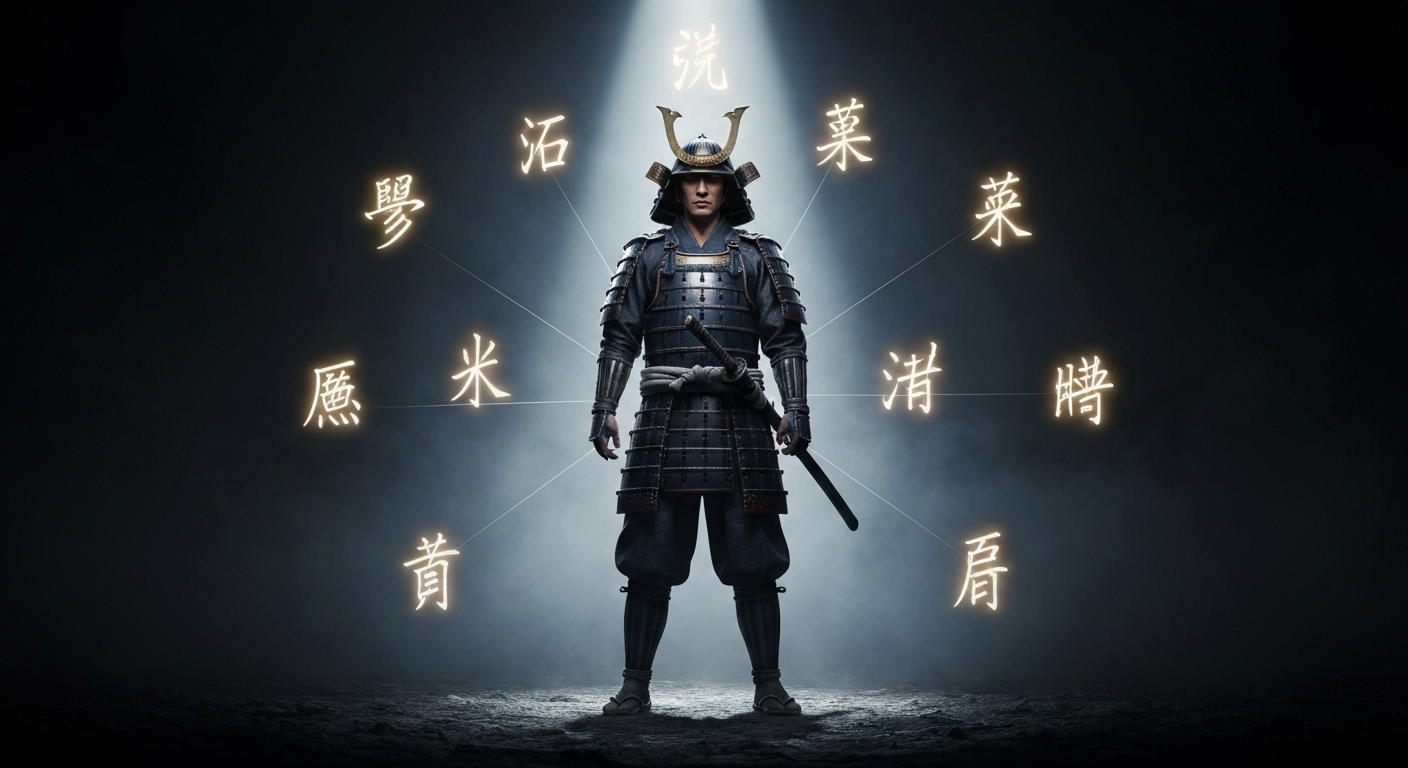
Samurai wisdom reveals why modern men struggle with discipline, purpose, and self-command…and how reclaiming ancient standards restores strength, clarity, and direction.
The Wisdom of the Samurai
Samurai wisdom was never designed to inspire you. It was designed to bind you.
To a code. To a standard. To a way of living that removed negotiation with weakness.
Modern men admire the samurai. They quote them. They romanticize them. They buy books, share memes, and nod along to ideas about honor and mastery.
But they do not live like them.
And that’s the problem.
Samurai wisdom exposes an uncomfortable truth: most modern men do not lack intelligence, opportunity, or information. They lack discipline, commitment, and self-command. Not in theory—but in daily execution.
This is not a cultural problem. It is an identity collapse.
Samurai wisdom was built on one assumption modern men quietly reject: Your life belongs to something greater than your comfort.
Bushidō: Discipline as Identity, Not Motivation
Bushidō—the Way of the Warrior—was not a list of values framed on a wall or recited for inspiration. It was an embodied operating system that governed thought, behavior, and decision-making under all conditions.
Samurai wisdom demanded rectitude, courage, honor, loyalty, and self-control regardless of mood, circumstance, comfort, or personal preference. There was no separation between who a samurai was and how he acted. The code was not something he referenced when convenient—it was something he lived without exception.
A samurai did not wake up asking, “Do I feel like it today?” He did not negotiate with fatigue, emotion, or doubt. He asked a far more dangerous question: “What does the code require of me right now?” And once that answer was clear, action followed without hesitation.
Modern men operate on motivation. Samurai operated on standards. Motivation rises and falls. Standards remain. This is where most men break. They negotiate with discipline. They wait for clarity before acting. They outsource consistency to emotion and call it self-awareness.
Samurai wisdom was identity-first. You behaved correctly because that is who you were, not because the outcome felt good or rewarding. Until discipline becomes identity rather than a tool, performance will always collapse under pressure, stress, and adversity.
Ikigai: Purpose Was Earned Through Duty
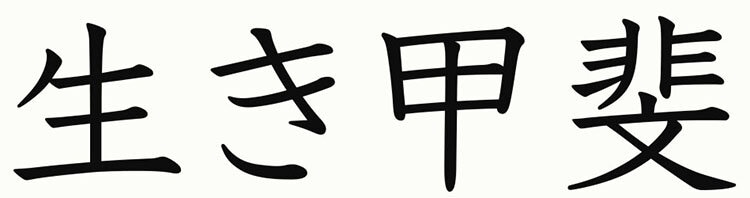
Ikigai has been reduced to a colorful diagram and a feel‑good talking point. Samurai wisdom treated it very differently. Ikigai was never about self-expression or personal passion. It was about reason for being earned through duty, contribution, and disciplined service.
Purpose was not discovered through endless introspection. It was forged through responsibility, mastery, and the willingness to place oneself in service to something beyond personal comfort. A samurai did not ask, “What lights me up?” That question would have been irrelevant. He asked a far more stabilizing question: “What am I responsible for, and how do I fulfill it with honor?”
Modern men are drowning in options and starving for meaning. Too many choices fracture commitment and dilute identity. Samurai wisdom solved this problem by removing excess choice and anchoring life to obligation, role, and contribution. Purpose followed commitment. Meaning followed service.
When a man commits fully to his role—as a leader, provider, protector, or craftsman—clarity emerges naturally. Purpose stops being a question he endlessly asks and becomes a consequence of how he lives, works, and carries responsibility every day.
Kaizen: Mastery Through Relentless Boredom
Kaizen was not about optimization hacks or productivity tricks. Samurai wisdom treated improvement as daily refinement—small, unglamorous, and relentlessly repeated until character changed. Sword practice, strategy, conduct, and mental composure were trained every day, without applause or recognition.
Modern men want transformation without repetition. Samurai wisdom demanded repetition until identity changed. Consistency mattered more than intensity. Daily practice mattered more than dramatic reinvention.
Most men quit because progress feels boring and unremarkable. Samurai endured boredom because mastery mattered more than stimulation. They understood that excellence is built quietly, through routines no one sees and standards no one negotiates.
Zanshin: The Discipline to Stay Alert After the Win
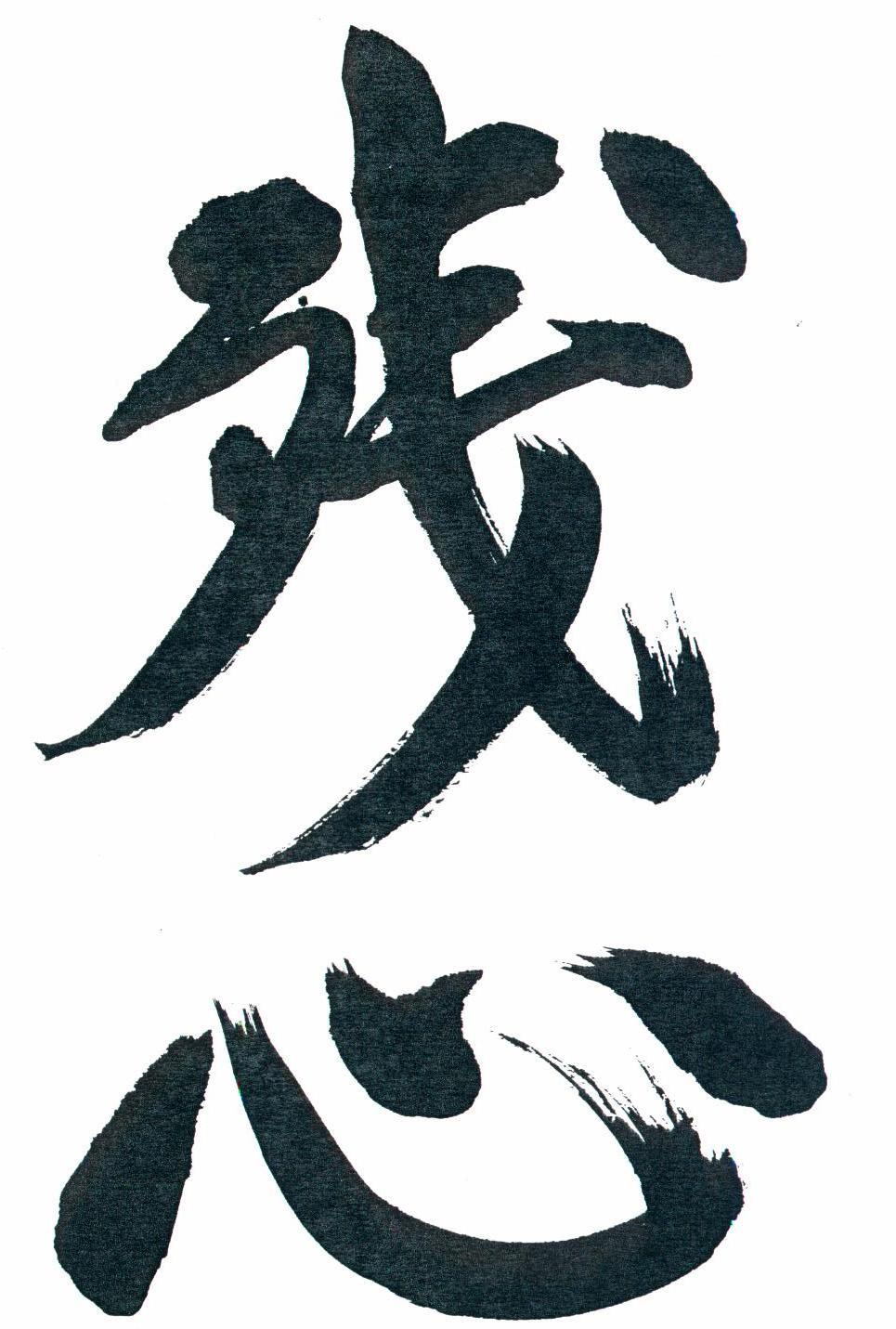
Zanshin means “remaining mind.” It is sustained awareness before, during, and after action—especially after success. Samurai wisdom warned that the most dangerous moment is not the battle itself, but the moment immediately following victory.
Modern men relax too early. They celebrate prematurely. They let ego replace vigilance and assume the work is done. This is where standards soften and attention drifts.
Most failures do not happen in crisis. They happen after the win, when discipline drops and presence fades. Zanshin is the discipline to stay mentally engaged when it would be easier to disengage, coast, or lose focus. It is the quiet vigilance that protects long-term mastery.
Mushin: Action Without Internal Noise
Mushin means “no-mind.” Not emptiness, detachment, or passivity—but freedom from hesitation, overthinking, and emotional interference. When training is complete and standards are internalized, action becomes clean and immediate.
Modern men are mentally noisy. They analyze endlessly, second-guess themselves, and drown decisive action in internal debate. Thought replaces movement. Planning replaces execution.
Samurai wisdom eliminated friction between decision and execution. Identity, training, and action collapsed into a single movement. There was no delay between knowing and doing. Mushin is what happens when discipline has been practiced long enough that action no longer requires permission. This is what peak performance actually feels like.
Fudōshin: Emotional Command Under Pressure
Fudōshin is the immovable mind—not numb, detached, or passive, but emotionally stable under pressure. Samurai wisdom understood that leadership collapses the moment emotions begin running the strategy. A reactive leader is not a leader at all.
Modern men often confuse emotional suppression with emotional mastery. They bury frustration, deny fear, and call it strength—until pressure exposes the cracks. Samurai practiced emotional command. They felt emotions without being controlled by them.
Calm under pressure was trained deliberately through exposure, repetition, and disciplined response. Stability was built, not wished for. If your emotional state controls your decisions, you are not leading—you are reacting. Fudōshin is what allows a man to remain grounded when stakes are high and consequences are real.
Shuhari: Discipline Before Freedom
Shuhari describes three stages of mastery that governed how samurai approached learning and growth. First is Shu—obey the form. Fundamentals are followed precisely, without deviation or ego. Next is Ha—break the form. Only after mastery is proven does experimentation begin. Finally comes Ri—transcend the form, where action becomes intuitive and adaptive.
Samurai wisdom demanded obedience before innovation. Structure was not a cage; it was a crucible.
Modern men want freedom without discipline. They skip fundamentals and call it independence. Samurai earned freedom through discipline, repetition, and restraint. You do not transcend structure by avoiding it. You transcend structure by mastering it so completely that it no longer needs conscious effort.
Seishin Tanren: Forging the Spirit Through Hardship

Mental strength was not motivational. It was forged deliberately through hardship, repetition, and exposure to discomfort. Samurai wisdom understood that capacity expands only when a man is tested beyond convenience.
Cold, fatigue, risk, and repetition were not avoided—they were embraced as training tools. Hardship was controlled, intentional, and purposeful, designed to harden the spirit without breaking it.
Modern men avoid discomfort and then wonder why resilience is missing. Comfort has become a lifestyle rather than a recovery tool. Samurai wisdom rejected this entirely. Comfort does not build strength. Ease does not create confidence. Challenge does. Seishin Tanren is the process of forging a man who can endure pressure without collapsing, withdrawing, or negotiating with adversity.
Mono no Aware: Impermanence as a Weapon
Samurai wisdom embraced impermanence as a tactical advantage, not a philosophical comfort. Life ends. Victories fade. Failure passes. Nothing is permanent, and pretending otherwise weakens judgment.
This awareness sharpened presence and reduced fear. When everything is temporary, attention becomes cleaner and action becomes more decisive. A samurai could move fully into the moment because he was not clinging to how things should last.
Modern men cling—to identity, status, outcomes, and past versions of themselves—and that clinging slows them down. Attachment creates hesitation. Fear of loss clouds decisions. When you stop clinging, you move faster. You decide cleaner. You lead without desperation, because nothing needs to be protected except your standards.
Where Modern Men Break—and Samurai Did Not

Modern men fail at:
✔️ Mood-driven discipline
✔️ Negotiating standards
✔️ Comfort as a lifestyle
✔️ Commitment without cost
✔️Responsibility without ownership
Samurai wisdom tolerated none of it.
Standards were non-negotiable. Discipline was assumed. Responsibility was life itself.
This is why the gap feels so wide today.
How I Work With Men to Reclaim Samurai-Level Discipline
Men don’t need more information. They need structure, standards, and accountability.
My work with men is not motivational. It is architectural.
We rebuild discipline as identity. We remove emotional negotiation. We install non-negotiable standards across body, mind, relationships, and leadership.
This is not about becoming extreme. It is about becoming aligned.
Samurai wisdom was never soft. But it was precise.
The Path Forward
If this exposed something uncomfortable, good.
That discomfort is clarity.
You have two paths:
One—continue negotiating with discipline and calling it balance.
Two—commit to standards that no longer depend on mood, motivation, or convenience.
Start Here: Blueprint for Men
If you feel burned out, scattered, or internally off-track, start with the Blueprint for Men. It’s designed to help you stabilize, regain clarity, and rebuild discipline without overwhelm.
Ready to Commit: Power Strategy Call
If you’re done circling the problem and want direct, structured guidance, book a Power Strategy Call. This is where discipline stops being theoretical and becomes operational.
FAQs
What is samurai wisdom in modern life?
Samurai wisdom in modern life is a discipline-centered framework for living with unwavering standards, self-command, and responsibility under pressure. At its core, samurai wisdom emphasizes identity before outcomes—how a man thinks, acts, and decides regardless of mood or circumstance. In a modern context, this applies directly to leadership, work, relationships, and personal conduct.
Rather than relying on motivation or inspiration, samurai wisdom installs non-negotiable standards that guide behavior consistently. For modern men facing burnout, distraction, and identity erosion, samurai wisdom provides structure, clarity, and a code to live by when comfort, convenience, and emotion would otherwise take control.
Why do modern men struggle with discipline?
Modern men struggle with discipline because discipline has been replaced with motivation, flexibility, and emotional permission. Motivation is unstable—it rises and falls based on energy, stress, and mood. Samurai wisdom rejected this entirely by anchoring behavior to identity and standards instead of feelings.
Without non-negotiable rules for how a man trains, works, leads, and responds under pressure, discipline collapses during fatigue, uncertainty, and daily life demands. Modern environments reward comfort and convenience, not consistency. Samurai wisdom restores discipline by removing negotiation and rebuilding self-command as a daily practice rather than a situational choice.
Is samurai wisdom about aggression or dominance?
Samurai wisdom is not about aggression, dominance, or intimidation. In fact, uncontrolled aggression was viewed as weakness and liability. Samurai philosophy emphasized restraint, precision, and self-mastery above brute force. True strength was measured by how well a man could govern himself under pressure, not by how forcefully he could dominate others.
Emotional volatility, reckless behavior, and ego-driven action were considered dangerous to both the warrior and his lineage. In modern terms, samurai wisdom aligns with calm leadership, emotional regulation, and disciplined decision-making—especially in high-stakes environments where impulsive reactions create long-term damage.
Can samurai wisdom help with burnout?
Yes, samurai wisdom is highly effective for burnout because it replaces internal chaos with structure, clarity, and purposeful effort. Burnout often occurs when men live reactively—responding to demands without clear standards, boundaries, or priorities. Samurai wisdom restores order by simplifying decisions and anchoring effort to duty and responsibility rather than constant emotional evaluation.
This reduces decision fatigue, internal friction, and cognitive overload. Over time, disciplined routines and clear standards rebuild focus, resilience, and sustainable energy. Burnout fades not because life becomes easier, but because the man becomes more stable, grounded, and self-directed.
Why is coaching important for developing discipline?
Coaching is critical for developing discipline because discipline is not built in isolation. Most men cannot see where they negotiate standards, rationalize inconsistency, or drift under pressure. Coaching provides external structure, objective feedback, and enforced accountability until self-command is internalized.
In the samurai tradition, warriors trained under masters to correct blind spots and reinforce standards. Modern coaching serves the same function—installing discipline that is resilient, repeatable, and pressure-tested. Coaching accelerates identity change by removing emotional loopholes and ensuring discipline holds when motivation disappears.
