


Manhood: A Wake-Up Call for Strong Men
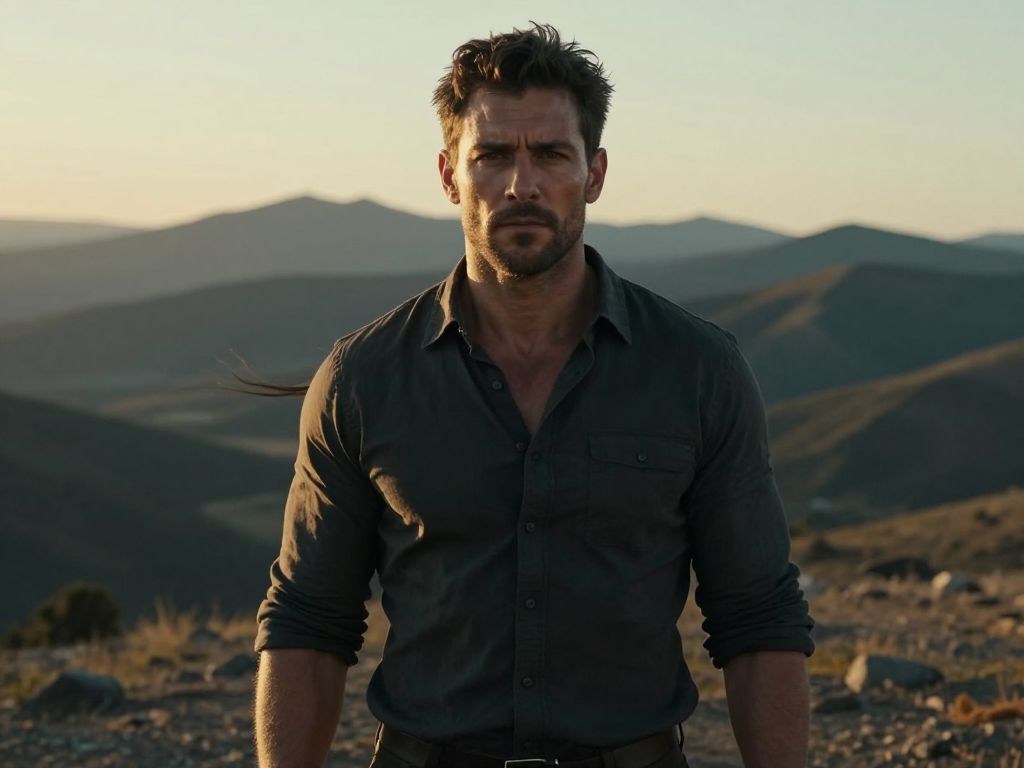
Manhood is not politeness, passivity, or performance. This wake-up call challenges modern masculinity and redefines masculine identity for strong men.
The Version of You Everyone Likes
There is a version of you that everyone approves of. He is agreeable, controlled, responsible, and careful with his intensity. He reads the room before he speaks. He filters his edge so no one feels threatened. He calls it maturity, emotional intelligence, and growth. And if you are honest, that version of you is tired in a way sleep does not fix.
This is where the confusion around manhood begins. You were told that to be a good man, you must be safe, measured, and endlessly understanding. You were taught that modern masculinity requires constant restraint, that masculine strength must always be softened before it is expressed. So you learned to round your edges. You learned to negotiate your standards. You learned to smile while something inside you tightened.
You call it self-control. But sometimes it is self-abandonment.
The Tamed Lion
Picture a lion raised in captivity. Fed on schedule. Praised for calm behavior. Children press their faces to the glass and say how beautiful and gentle he looks. He no longer hunts. He no longer roars. He has adapted to the enclosure so well that even he forgets the feeling of open land beneath his paws.
He is safe. He is admired. He is diminished.
This is what happens to manhood when masculine identity becomes performance instead of power. You become easier to manage. Easier to predict. Easier to keep in bounds. The world rewards your compliance and calls it growth. But the body keeps score. The nervous system remembers what it means to move with force. And somewhere in your chest there is a pressure that builds when masculine strength has nowhere to go.
Strong men are not dangerous because they are intense. They become dangerous when their intensity is suppressed.
How Modern Masculinity Drifted
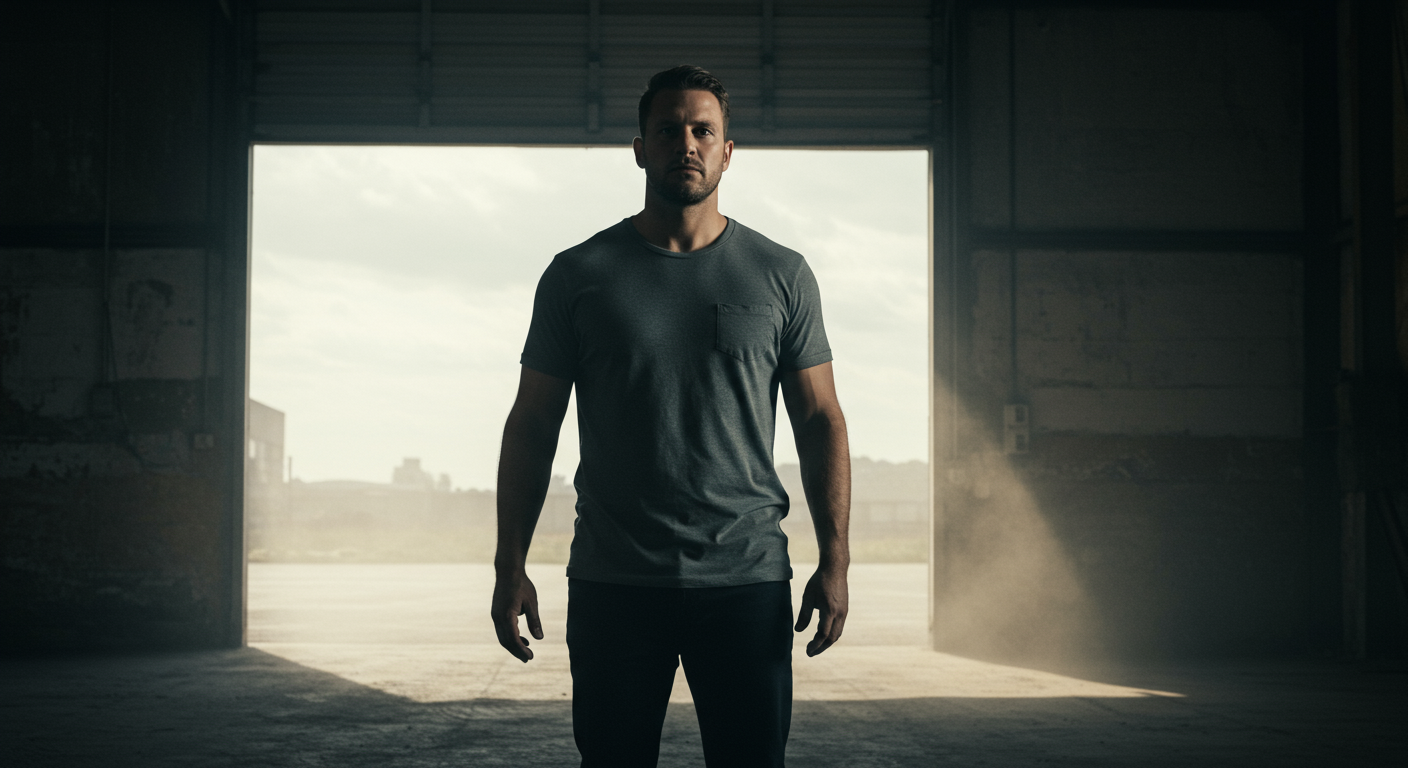
Modern masculinity did not collapse overnight. It drifted. It shifted from grounded power to cautious approval-seeking. The message became subtle: do not be too much, do not speak too directly, do not want too openly. Be successful, but not dominant. Be confident, but not confrontational. Be driven, but never uncompromising.
Over time, manhood became confused with niceness. Masculine identity became confused with productivity. Masculine strength became something to apologize for instead of something to refine.
Here is the problem: when you suppress drive, you do not become peaceful. You become resentful. When you silence your standards, you do not become kind. You become passive-aggressive. When you avoid conflict to stay liked, you do not become evolved. You become split.
Manhood cannot be built on fragmentation.
The Cost of Being the “Good Guy”
The good guy always understands. He always adjusts. He avoids hard conversations because he does not want to be misunderstood. He tolerates slow erosion of respect because confrontation feels uncomfortable. He tells himself that patience is strength.
Sometimes it is. Often it is fear wearing a polite mask.
Masculine identity requires clarity. It requires standards. It requires the willingness to disappoint people who benefit from your silence. Without that, masculine strength turns brittle. It looks solid on the outside, but inside it is negotiating with everyone.
You can feel this fracture in subtle ways. The hesitation before you say what you really think. The tightness in your chest when you agree to something you do not want. The irritation that surfaces later because you chose approval over alignment. These are not small things. They are signals that your manhood is being diluted by compromise.
Manhood is not cruelty. It is not domination. It is not emotional numbness. It is integrated power. And integrated power does not ask permission to exist.
What Manhood Actually Demands
Manhood demands ownership. Not control over others, but command over yourself. It demands that you decide who you are before the world does it for you. It demands that masculine strength be directed, not denied.
Strong men understand something uncomfortable: respect is not maintained through endless accommodation. It is maintained through consistency of standards. When your words and your boundaries align, your masculine identity stabilizes. When you say no without apology and yes without hesitation, your nervous system settles into coherence.
This is where modern masculinity needs recalibration. Not toward aggression, but toward grounded presence. Not toward dominance, but toward decisiveness. Not toward emotional suppression, but toward emotional command.
Manhood is the integration of drive, discipline, depth, and direction.
The Edge You Keep Negotiating
If you strip away the roles and expectations, you will find a simpler question underneath all of this: where have you been playing smaller than you are? Where have you softened your voice to avoid friction? Where have you tolerated behavior that violates your standards because being liked felt safer than being clear?
These questions are not accusations. They are mirrors.
Masculine identity strengthens when confronted with truth. Not when padded with reassurance. You do not need to become louder. You need to become aligned. You do not need to overpower others. You need to stop negotiating your own clarity.
When manhood is aligned, there is a different quality in your posture. Your tone slows down. Your decisions simplify. Your energy stops leaking into silent resentment. Masculine strength becomes calm instead of reactive.
That is not softness. That is stability.
Reclaiming Integrated Manhood
Reclaiming manhood does not require theatrics. It requires precision. It requires noticing where you have outsourced your standards to comfort. It requires choosing alignment over approval in small, consistent ways. Each time you hold a boundary without anger. Each time you speak directly without hostility. Each time you choose truth over politeness, masculine identity integrates.
Strong men are not built by suppressing intensity. They are built by refining it. Modern masculinity does not need to be dismantled. It needs to be stabilized. Masculine strength does not need to be apologized for. It needs to be directed.
Manhood becomes unshakeable when it is internally anchored. Not when it is externally validated.
The question is not whether you are capable of this. You are. The question is whether you are willing to let go of the version of you that survives through approval.
That version kept you safe.
But it will not make you powerful.
Final Word
Manhood is not politeness with muscles. It is not endless accommodation. It is not silent resentment masked as maturity. It is integrated power, directed with clarity and expressed without apology.
If this stirred something uncomfortable, that is not a problem. That is recognition.
If you are ready to refine your masculine identity and stabilize your masculine strength without losing your edge, explore the New Alpha Blueprint Conscious.
You do not need to become louder.
You need to become aligned.
Frequently Asked Questions About Manhood
What is manhood in today’s world?
Manhood today is the integration of masculine strength with emotional command and personal responsibility. It is not about dominance or suppression, but about stability under pressure and clarity in identity. When masculine identity is aligned, decisions become simpler because they are anchored in standards rather than approval. For example, a man grounded in manhood can say no to a misaligned opportunity without over-explaining or apologizing. The nuance is that this stability is built internally first; external confidence without internal alignment will always feel performative.
Is modern masculinity under attack or just misunderstood?
Modern masculinity is less under attack and more misdirected. The confusion arises when masculine strength is equated with aggression or when emotional awareness is equated with weakness. In reality, integrated manhood includes both intensity and regulation. For instance, a strong man can confront conflict directly while remaining composed. The misunderstanding happens when culture swings between extremes. The caveat is that blaming society alone avoids the deeper work of personal responsibility in shaping your masculine identity.
How can a man develop stronger masculine identity?
A stronger masculine identity develops through consistent alignment between values, words, and actions. When you clarify your standards and uphold them calmly, your nervous system begins to trust you. For example, setting a boundary in a relationship and holding it without hostility builds masculine strength far more than silent compliance. The deeper context is that identity shifts through behavior, not affirmation. The nuance is that growth requires discomfort; without friction, manhood remains theoretical rather than embodied.
What is the difference between toxic behavior and healthy manhood?
Toxic behavior is reactive, insecure, and driven by control over others, while healthy manhood is grounded, decisive, and self-directed. The difference lies in regulation. A man secure in his masculine identity does not need to intimidate or belittle to feel powerful. For example, choosing firmness without rage demonstrates integrated masculine strength. The deeper layer is that suppression often masquerades as virtue, and unchecked aggression masquerades as strength. True manhood requires discipline of both impulse and emotion.
Can coaching help redefine and strengthen manhood?
Yes, coaching can accelerate the refinement of manhood by creating structured reflection and accountability around masculine identity. When guided properly, a man can identify where approval-seeking, passivity, or resentment have diluted his masculine strength. For instance, working through real-life scenarios with a coach exposes patterns that are difficult to see alone. The deeper context is that identity evolves through conscious practice, not passive insight. The nuance is that coaching is not about becoming someone else; it is about stabilizing the strongest version of who you already are.
