
The Warrior Archetype: Discipline Without Force, Strength Without Strain
Explore the warrior archetype and how disciplined action becomes effortless when strength is integrated, regulated, and aligned with purpose.
Introduction
The warrior archetype is one of the most misunderstood forces in modern masculinity.
For many men, the word “warrior” immediately conjures images of aggression, relentless drive, and unyielding toughness. Push harder. Grind longer. Override the body. Suppress emotion. Win at all costs. That version of strength is familiar—but it is not mature.
It is forced energy.
Forced energy looks productive on the surface, but it is expensive. It requires constant pressure to sustain. It burns fuel faster than it generates results. Over time, it creates exhaustion, irritability, and a quiet sense of inner resistance. Many high-performing men live here without realizing it, mistaking strain for strength.
The true warrior archetype operates very differently.
When integrated, the warrior archetype produces disciplined action with remarkably little internal friction. Effort drops. Precision increases. Movement becomes clean and intentional. There is no need for hype or self-coercion because action is aligned with authority.
This is why the warrior archetype does not stand alone.
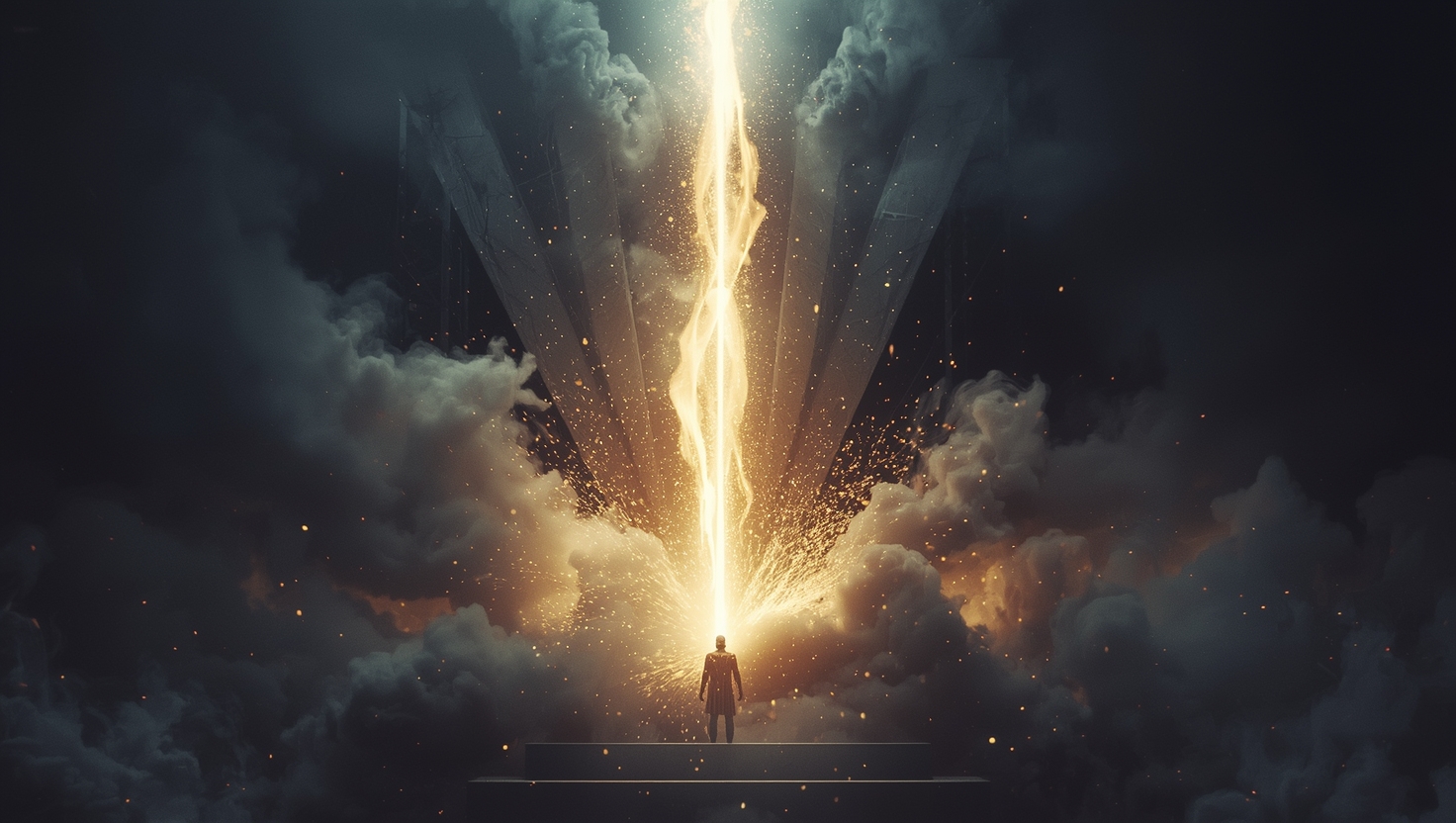
In this series, the King archetype comes first for a reason. Authority precedes action. Vision precedes execution. The throne must exist before the sword is drawn. When the warrior archetype operates without internal authority, it becomes compulsive. When it operates in service to the King, it becomes exact.
This article explores what the warrior archetype truly represents, how it functions when healthy, how it slips into shadow, and why disciplined action becomes effortless when strength is properly integrated.
The Core Function of the Warrior Archetype
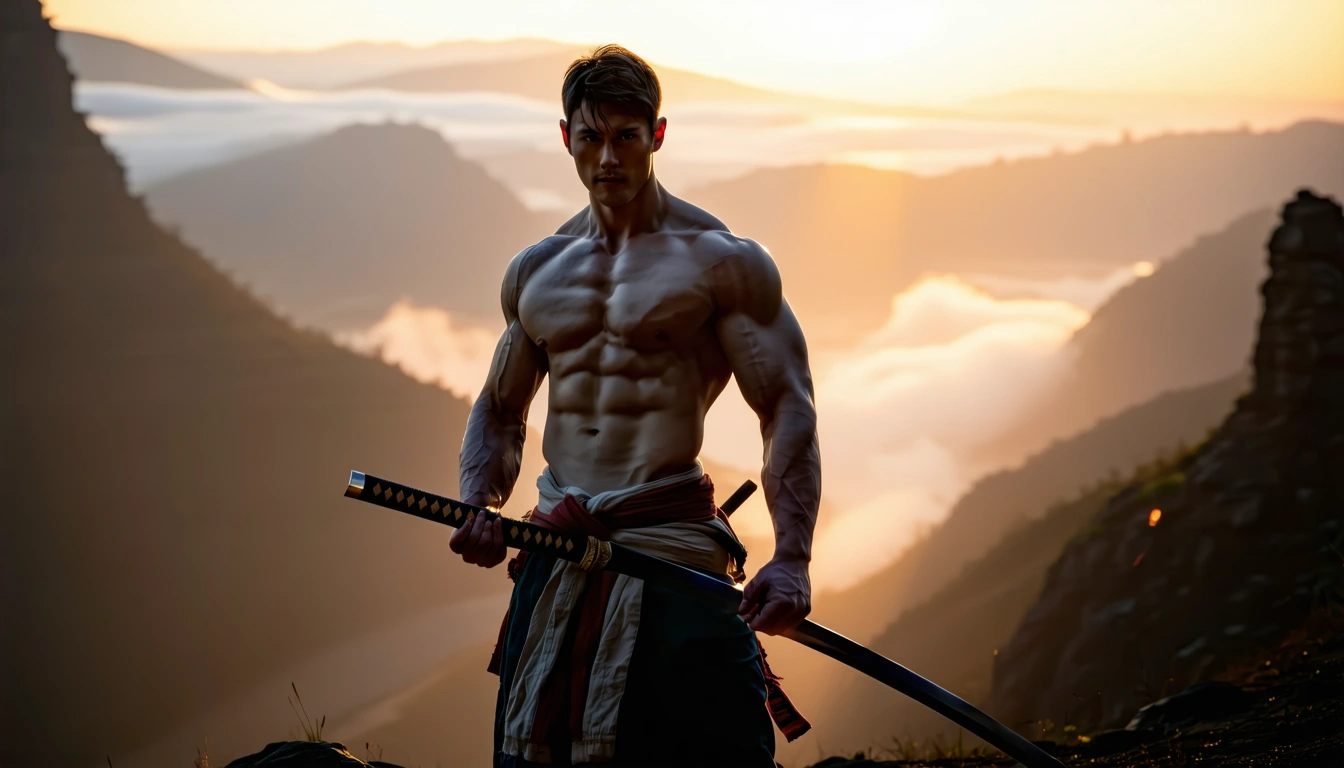
At its essence, the warrior archetype is the capacity for decisive action.
It governs:
✔️Discipline expressed as consistent action rooted in clarity, not pressure, force, or self-punishment
✔️Boundaries that protect energy, attention, and priorities without hostility or emotional rigidity
✔️Execution that is precise, timely, and decisive, free from overthinking or internal negotiation
✔️Courage in motion that moves forward calmly despite uncertainty, discomfort, or resistance
✔️The willingness to move toward difficulty rather than away from it, without drama or self-coercion
The warrior archetype is not concerned with meaning, vision, or long-term direction. That is the domain of the King. The warrior is concerned with doing what must be done—precisely, cleanly, and without emotional negotiation.
When the warrior archetype is healthy, action feels almost obvious. There is no internal debate, no dramatic buildup, no need for motivation. The body moves because the decision has already been made.
This is where many men become confused.
They believe discipline requires force. In reality, discipline requires alignment. When action is aligned with internal authority, very little effort is required to sustain it. When authority is absent, effort skyrockets.
The warrior archetype is not about intensity. It is about readiness.
Podcast: Play in new window | Download (28.1MB)
Subscribe: RSS
Why the Warrior Must Serve the King
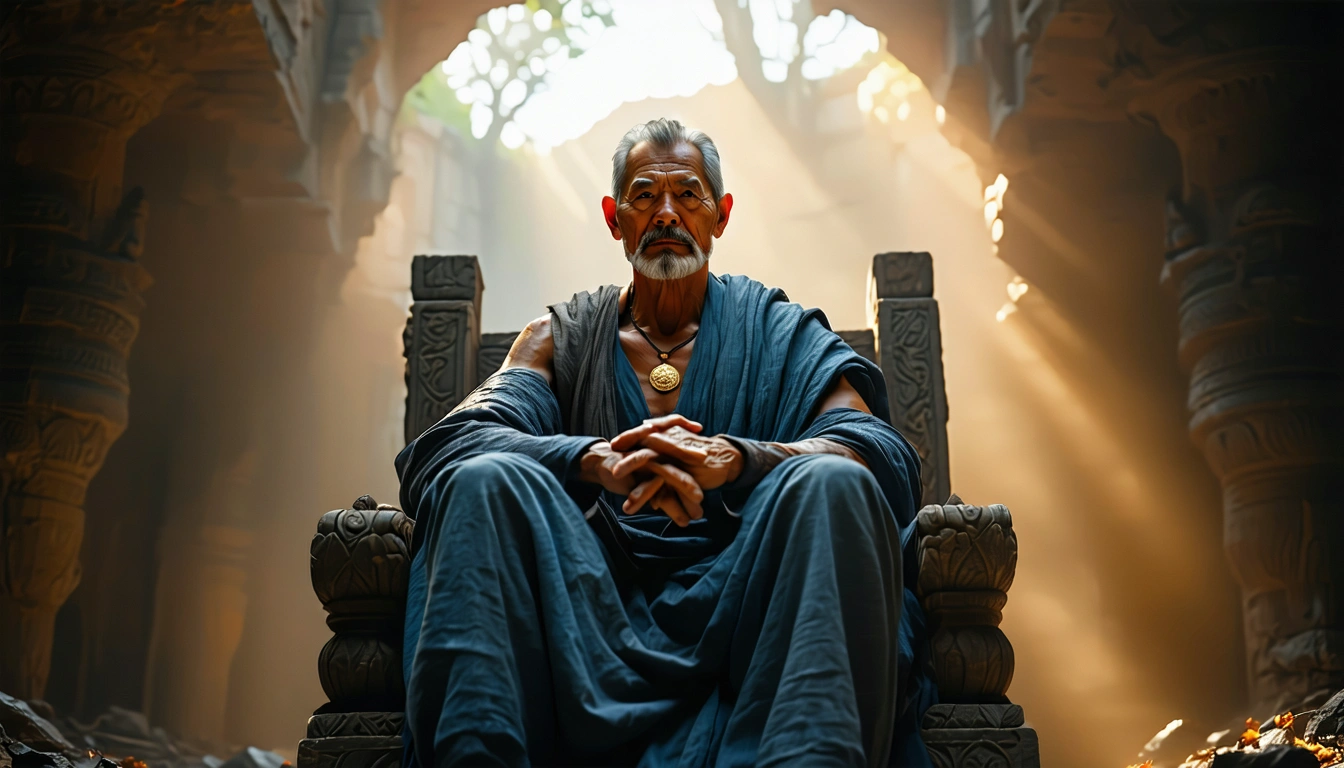
The warrior archetype is extraordinarily powerful—and that is precisely why it must be governed.
Without the King, the warrior has energy but no command structure. Action becomes disconnected from purpose. Discipline turns rigid. Effort becomes compulsive. Over time, this produces burnout or brittleness.
A warrior without a king fights every battle.
A warrior serving the king fights only the necessary ones.
When the King archetype is integrated, it provides:
✔️Clear standards that establish non-negotiables and remove ambiguity from daily decisions and actions
✔️Defined values that act as an internal compass, guiding priorities, trade-offs, and commitments
✔️Long-term vision that contextualizes effort, prevents reactivity, and aligns action with legacy
✔️Internal authority that eliminates self-negotiation and allows action to flow without force
The warrior archetype then executes those standards without resistance. There is no need to constantly “push yourself” because the direction is already settled.
This is the difference between forced discipline and embodied discipline.
Forced discipline relies on pressure. Embodied discipline relies on clarity.
The sword does not question the throne.
The Healthy Warrior Archetype
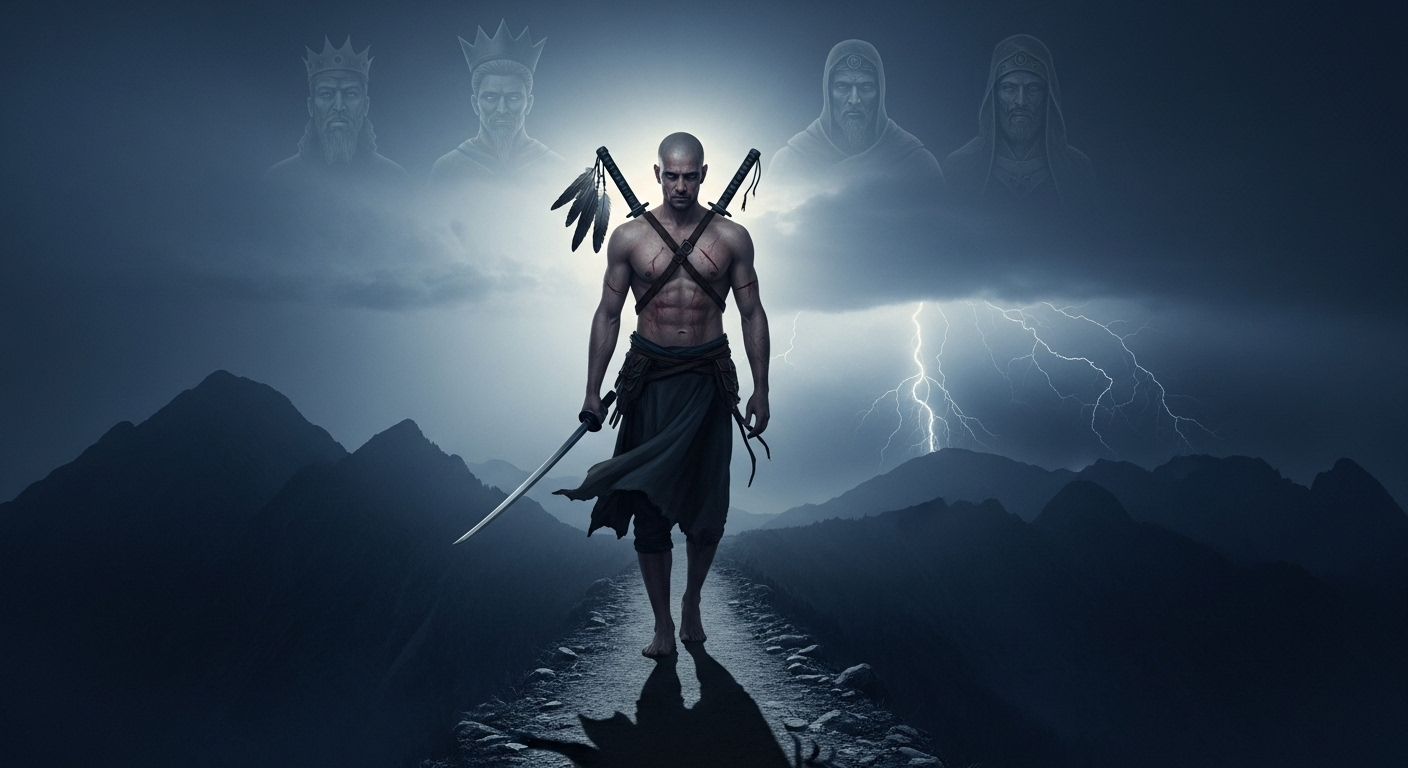
A healthy warrior archetype is calm, grounded, and precise.
There is strength, but not tension. Focus, but not rigidity. Commitment, but not compulsion. The healthy warrior does not rush. He does not hesitate. He moves exactly when movement is required.
Characteristics of the healthy warrior archetype include:
✔️Clean execution without emotional drama, hesitation, or wasted energy leaking into unnecessary reactions
✔️Strong boundaries without hostility, allowing firmness while preserving respect and relational stability
✔️Consistent action without self-punishment, coercion, or identity collapse when performance fluctuates
✔️Courage without recklessness, grounded in awareness, timing, and accurate assessment of risk
✔️Endurance without depletion, sustained through recovery, rhythm, and intelligent energy management
This form of strength feels surprisingly light.
When the warrior archetype is healthy, men often report that discipline feels easier than expected. Habits stick. Training becomes rhythmic rather than exhausting. Decisions simplify. There is less internal negotiation because the warrior is no longer trying to compensate for a lack of authority.
The body follows direction because it trusts the source.
The Shadow Warrior Archetype
The shadow warrior archetype does not emerge from weakness. It emerges from misdirection.
When warrior energy is disconnected from authority, it does not disappear—it intensifies in unhelpful ways. Action becomes driven rather than deliberate. Discipline becomes rigid rather than adaptive. Effort increases while effectiveness decreases.
The shadow warrior is not wounded in the therapeutic sense. He is misaligned.
This often shows up as:
✔️Overtraining without recovery, ignoring biological limits and mistaking exhaustion for commitment
✔️Excessive self-criticism disguised as discipline, using inner pressure instead of clarity or standards
✔️Constant pressure to do more, driven by fear of inadequacy rather than true necessity
✔️Difficulty resting without guilt, equating stillness with weakness or loss of identity
✔️Identity built entirely around productivity or toughness, leaving no space for regulation or depth
From the outside, the shadow warrior often looks impressive. From the inside, life feels heavy.
Healthy Warrior vs Shadow Warrior
|
Healthy Warrior |
Shadow Warrior |
| Action feels clean and deliberate | Action feels forced and compulsive |
| Discipline is sustainable | Discipline relies on pressure |
| Boundaries protect energy | Boundaries become rigid or reactive |
| Effort decreases over time | Effort increases to maintain output |
| Strength feels embodied | Strength feels performative |
The difference is not work ethic.
The difference is integration.
Effort, Force, and the Myth of Hustle
Modern culture glorifies hustle as proof of strength.
But hustle is a forced state. It relies on constant self-overriding. It treats the body as an obstacle and the mind as a whip. This approach can produce short-term results, but it always carries a cost.
The integrated warrior archetype operates differently.
When warrior energy is aligned with authority, action feels almost inevitable. There is momentum without urgency. Commitment without strain. Movement without internal resistance.
This does not mean life becomes easy.
It means effort becomes efficient.
The warrior still trains. Still shows up. Still moves toward challenge. But he does so without needing to hype himself into motion or punish himself into compliance. The action itself feels congruent.
This is mastery.
An Embodied Example of the Warrior Archetype
Consider a seasoned martial artist or long-time CrossFit athlete—not a beginner fueled by adrenaline, but someone who has trained for years.
Their movements are economical. They do not waste energy. They do not rush to prove anything. Warm-up, preparation, execution, recovery—all occur in rhythm.
There is intensity when required, but no constant tension.
This is the warrior archetype expressed through the body.
Not force.
Readiness.
Integrating the Warrior Archetype
Integrating the warrior archetype is not about adding more discipline.
It is about removing internal friction.
This requires:
✔️Clear standards (from the King) that define priorities, eliminate ambiguity, and prevent unnecessary internal debate
✔️Honest boundaries around energy and capacity that respect limits while preserving consistency and reliability
✔️Recovery that is intentional, not indulgent, allowing restoration without erosion of discipline or identity
✔️Action that is chosen, not compulsive, aligned with authority rather than pressure or emotional avoidance
When the warrior archetype is integrated, men often notice that fewer rules are required. Life becomes simpler because action is no longer negotiated at every turn.
The warrior moves when it is time to move. He rests when it is time to rest.
No drama.
Frequently Asked Questions About the Warrior Archetype
What is the warrior archetype?
The warrior archetype is the psychological capacity for disciplined action, boundaries, and decisive execution. When healthy, it produces calm, sustained strength and consistent follow-through without excessive effort or internal resistance, allowing men to act decisively without relying on pressure, anger, or constant self-coercion.
How is the warrior archetype different from aggression?
Aggression is reactive and emotionally driven. The warrior archetype is regulated and purposeful. It moves toward difficulty with clarity rather than anger or compulsion, responding from choice and discipline instead of impulsive force or emotional discharge.
Why do disciplined men still burn out?
Burnout often occurs when warrior energy operates without internal authority. Action becomes forced rather than aligned, increasing effort while decreasing sustainability, eventually draining emotional, physical, and mental reserves despite outward discipline or consistency.
How does coaching support integration of the warrior archetype?
Coaching can help men clarify internal authority, refine boundaries, and recalibrate effort so warrior energy is directed rather than overused. This allows discipline to feel embodied instead of forced, supporting long-term consistency, recovery, and aligned action.
Can the warrior archetype be developed later in life?
Yes. The warrior archetype is developmental, not age-dependent. With clarity, structure, and proper integration, disciplined action can become more efficient and sustainable at any stage.
Closing Reflection
The warrior archetype is not about proving strength.
It is about applying strength precisely.
When the warrior serves the King, action becomes clean. Discipline becomes natural. Effort decreases as effectiveness rises. Life no longer feels like something that must be conquered—it becomes something that can be engaged with clarity and resolve.
This is strength without strain.
This is the warrior archetype, properly aligned.
For many men, this level of alignment does not come from insight alone—it comes from structure. When warrior energy is given a clear framework, defined standards, and an organizing authority, action stops feeling forced and starts feeling inevitable.
This is exactly what the Alpha Blueprint is designed to support: the integration of disciplined action with internal authority, so effort is no longer the fuel.
Not more intensity.
More alignment.
