


The Samurai Code of Honor: A Mirror for the Modern Man
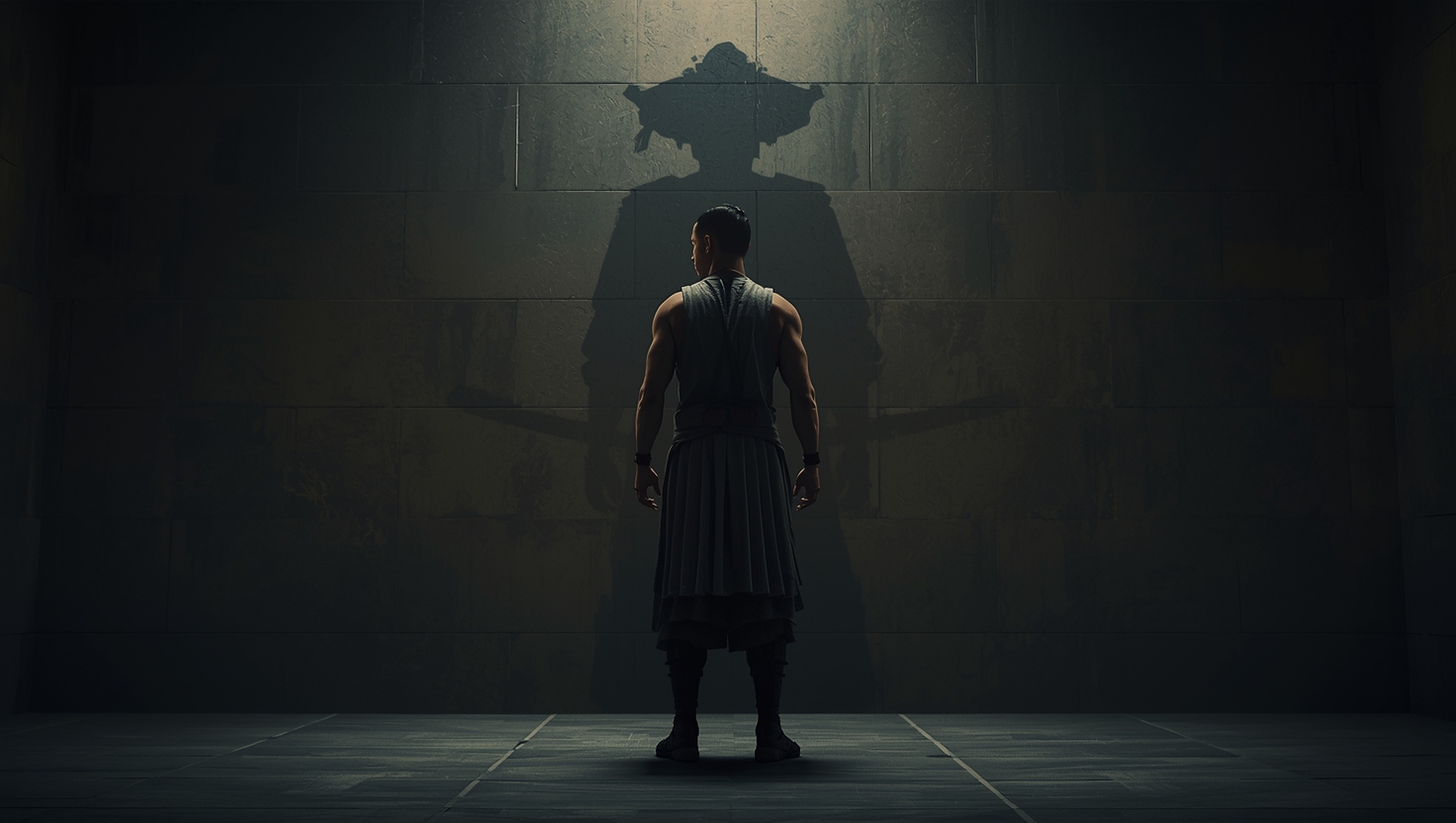
The samurai code of honor reveals why modern men feel burned out and fragmented—and how living by a code restores discipline, integrity, and inner strength.
Life Without a Code
You are not exhausted because life is too hard.
You are exhausted because you live without a code.
Most men today don’t suffer from a lack of knowledge, opportunity, or potential. They suffer from inconsistency. One version of themselves shows up at work. Another at home. Another alone at night, negotiating standards they claim to value. This internal fragmentation is the silent tax draining energy, clarity, self-respect, momentum, confidence, focus, conviction, discipline, direction, emotional stability, purpose, and inner authority.
The samurai code of honor existed to eliminate that fracture. Not as tradition. Not as mythology. But as a lived framework that removed ambiguity from daily life. When a man lives by a code, decisions simplify. Identity stabilizes. Energy returns.
This is not history. This is a mirror.
What the Samurai Code of Honor Actually Was

The samurai code of honor was not about obedience or external morality. It was an internal standard enforced when no one was watching. Samurai did not ask how they felt before acting. They asked who they were.
This is why the samurai code of honor produced calm under pressure, decisive action, and deep self-command. A code collapses hesitation. It removes the daily internal debate that modern men mistake for freedom, clarity, certainty, emotional steadiness, decisiveness, grounded confidence, internal alignment, and self-trust.
Today, men reject codes in the name of flexibility—yet live trapped by impulse, distraction, and exhaustion. The samurai code of honor solved the very problems men now normalize.
Rectitude: Where You Compromise What You Know Is Right
Rectitude is the backbone of the samurai code of honor. It is the capacity to act rightly regardless of convenience.
Modern inconsistency shows up here first. Men know what they should do—train, rest, speak honestly, leave what no longer fits—yet repeatedly choose comfort. Each compromise weakens internal trust. Burnout follows not from effort, but from self-betrayal.
Rectitude restores alignment. When action matches values, energy stabilizes. The mind stops fighting itself, reclaiming clarity, confidence, direction, discipline, decisiveness, momentum, resolve, emotional steadiness, self-respect, and internal authority.
Courage: Where You Delay What You Know You Must Face

Courage in the samurai code of honor was not bravado. It was movement through fear.
Modern men often appear confident yet avoid discomfort: difficult conversations, disciplined routines, decisive endings. Avoidance masquerades as patience. In truth, it erodes self-respect.
Courage reclaims momentum. The samurai mindset understood that fear unaddressed multiplies. Fear faced dissolves, restoring confidence, decisiveness, internal strength, emotional clarity, disciplined action, and personal authority.
Compassion: Where Strength Becomes Control Instead of Care
Compassion within the samurai code of honor was strength governed by restraint.
Today, compassion is often misunderstood as softness—or avoided entirely. Men oscillate between over-control and emotional withdrawal. Both signal internal imbalance.
True compassion begins with self-command. When a man can regulate himself, he no longer needs domination or avoidance. Strength becomes steady, not reactive, grounded, disciplined, emotionally intelligent, reliable, centered, composed, intentional, resilient, and trustworthy.
Respect: Where You Trade Dignity for Validation

Respect in the samurai code of honor began inward.
Modern men outsource respect to performance, approval, and status. When external validation drops, identity collapses. This creates chronic anxiety and comparison.
Self-respect restores gravity. A man anchored in his own standards does not chase acknowledgment. He moves with quiet authority, steady confidence, emotional composure, grounded presence, disciplined restraint, internal certainty, self-trust, and unshakeable personal dignity.
Honesty: Where Image Replaces Truth
Honesty within the samurai code of honor was ruthless self-clarity.
Modern inconsistency thrives on rationalization. Men tell themselves stories to avoid truth: about habits, relationships, energy, purpose. The cost is cognitive dissonance and fatigue.
Truth simplifies. When self-deception ends, focus returns, clarity sharpens, decisions strengthen, confidence stabilizes, discipline deepens, emotional noise fades, integrity solidifies, and inner coherence emerges.
Honor: Where You Negotiate Your Standards

Honor was the spine of the samurai code of honor. It did not depend on reputation—it depended on adherence to principle.
Modern men negotiate standards based on mood, stress, or convenience. Over time, this erodes confidence. A man who cannot rely on himself cannot fully relax.
Honor restores internal safety. Consistency builds trust with the self, reinforcing identity stability, emotional grounding, disciplined follow-through, inner reliability, personal integrity, confidence under pressure, and long-term self-respect.
Loyalty: Where Commitment Fades Under Pressure
Loyalty in the samurai code of honor was loyalty to the path.
Today, men abandon commitments when discomfort rises. They confuse flexibility with freedom. In reality, constant re-evaluation exhausts the nervous system.
Loyalty reduces friction. When the path is chosen, energy previously spent on doubt becomes available for execution, focus, persistence, resilience, discipline, confidence, emotional stability, momentum, trust, clarity, and sustained forward progress.
Self-Control: Where Impulse Runs the Day
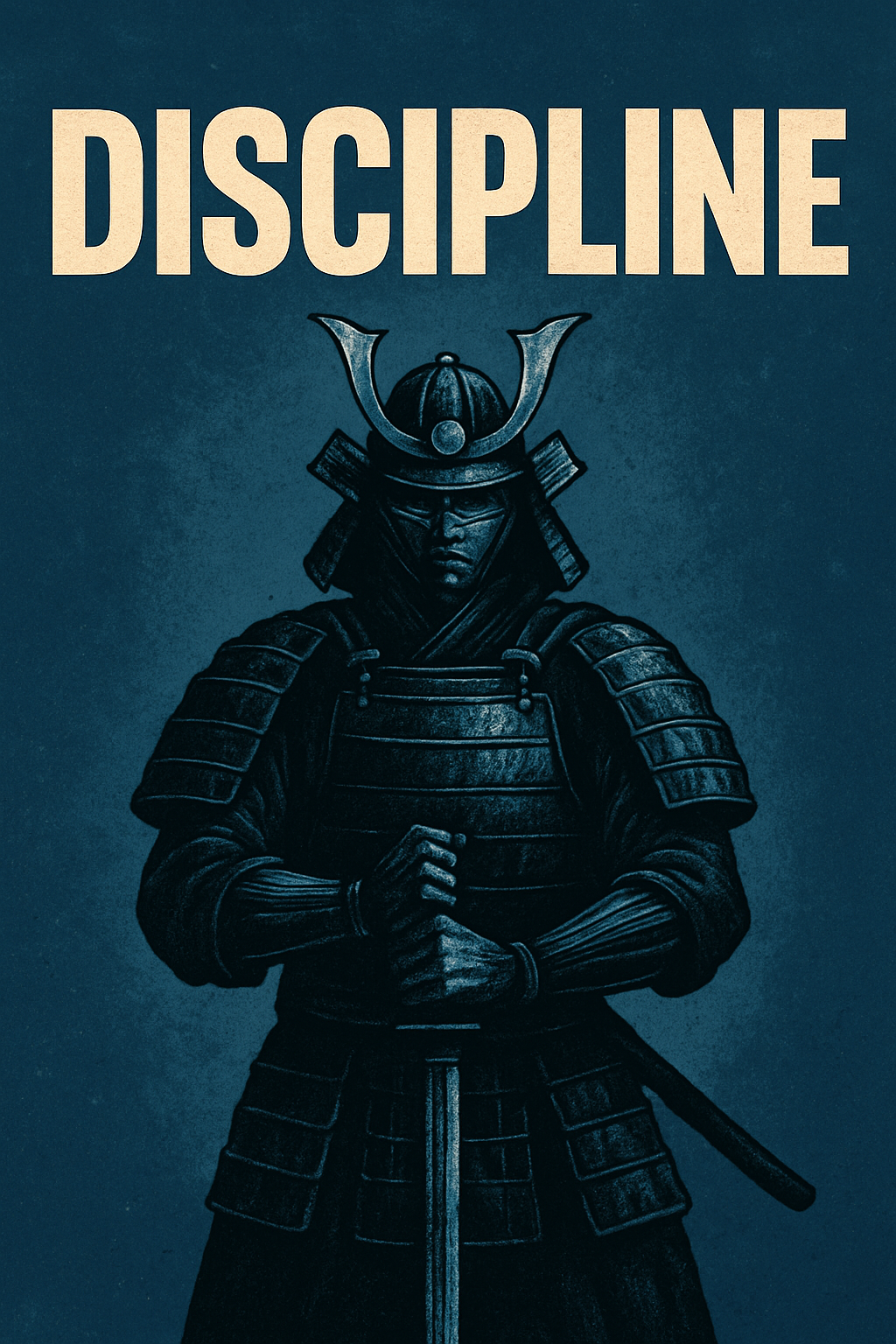
Self-control was the final mastery within the samurai code of honor.
Modern life trains impulsivity: notifications, dopamine cycles, constant stimulation. Men feel scattered because attention is fragmented.
Self-control restores sovereignty. Attention reclaimed is power reclaimed, focus deepened, discipline reinforced, impulses mastered, clarity sustained, emotional regulation strengthened, authority embodied, and personal command reestablished.
Why Modern Men Resist a Code
A code removes excuses. It eliminates negotiation. This is why it feels threatening.
Yet without a code, men drift. Burnout is not a workload problem—it is an identity problem. The samurai code of honor provided structure not to constrain life, but to free energy, restore coherence, sharpen decision-making, stabilize identity, reduce anxiety, reclaim momentum, and anchor daily action in purpose.
Why the Samurai Code of Honor Still Works

The samurai code of honor aligns with modern neuroscience and performance psychology. Consistent standards reduce decision fatigue, lower stress, and increase confidence. Identity coherence stabilizes the nervous system, supports emotional regulation, improves focus, enhances resilience, sharpens self-command, and sustains long-term psychological stability.
This is not about becoming ancient. It is about becoming whole.
The Choice in Front of You
You do not need more information.
You need a standard you stop negotiating with.
The samurai code of honor is not something to admire. It is something to live, embody daily, enforce privately, uphold relentlessly, and return to when pressure, temptation, fatigue, comfort, and distraction attempt to erode personal standards and self-command, especially when no one is watching, no applause is coming, and discipline must come entirely from within.
Begin the Path
For men ready to move beyond motivation into structure, the Conscious Warrior Code offers a modern framework inspired by the samurai code of honor—translated for real life, real pressure, and real leadership, guiding daily decisions, reinforcing identity, demanding consistency, eliminating excuses, and restoring disciplined masculine integrity.
Frequently Asked Questions
What is the samurai code of honor in simple terms?
The samurai code of honor is a disciplined framework for living in alignment with clear values, consistent behavior, and internal accountability. At its core, it is not about ancient rituals or combat traditions, but about establishing non-negotiable personal standards that govern decisions when external pressure, emotion, or convenience attempt to override integrity.
For modern men, the samurai code of honor functions as an identity stabilizer—it reduces inner conflict by eliminating constant self-negotiation. For example, instead of asking how motivated you feel, the code answers for you in advance. The nuance many miss is that simplicity does not mean ease; the power of the samurai code of honor lies in its demand for consistency, not comfort.
Why does the samurai code of honor matter in modern life?
The samurai code of honor matters today because modern life creates fragmentation—multiple roles, endless inputs, and constant decision fatigue. Without a unifying code, men experience burnout, anxiety, and a loss of direction despite outward success. The samurai code of honor restores coherence by aligning identity, values, and daily action under a single standard.
For example, when a man knows what he stands for, distractions lose power and priorities clarify. The important nuance is that this is not about rigid rules; it is about internal alignment. Men who live by a code experience greater psychological stability, emotional regulation, and long-term resilience.
Is the samurai code of honor the same as Bushido?
Bushido is the historical term used to describe the samurai code of honor, but the principles extend far beyond feudal Japan. In modern application, the samurai code of honor refers to the functional essence of Bushido—discipline, courage, honor, loyalty, self-control, and integrity—translated into contemporary life.
For example, where Bushido once governed conduct on the battlefield, today it governs decisions around health, leadership, relationships, and work. The nuance is critical: adopting the samurai code of honor does not require cultural imitation, only internalization of its principles as a living standard.
How does living by the samurai code of honor reduce burnout?
Living by the samurai code of honor reduces burnout by eliminating internal contradiction between values and behavior. Burnout is often caused not by workload, but by repeated self-betrayal—knowing what matters and acting against it. The samurai code of honor resolves this tension by predefining standards, which reduces cognitive load and emotional exhaustion.
For example, when decisions are guided by a code, energy previously spent on hesitation and regret is reclaimed. A key nuance is that burnout recovery requires identity coherence, not rest alone. The samurai code of honor restores that coherence.
Why is coaching important when adopting the samurai code of honor?
Coaching is critical when adopting the samurai code of honor because self-perception is often distorted by rationalization and blind spots. While the code provides structure, coaching provides perspective, accountability, and course correction during integration.
For example, a coach helps identify where standards are being unconsciously negotiated under stress or comfort. The nuance many overlook is that discipline without feedback can reinforce ineffective patterns. Coaching accelerates embodiment of the samurai code of honor by ensuring consistency between intention and action, especially during periods of identity transition, pressure, or personal resistance.
